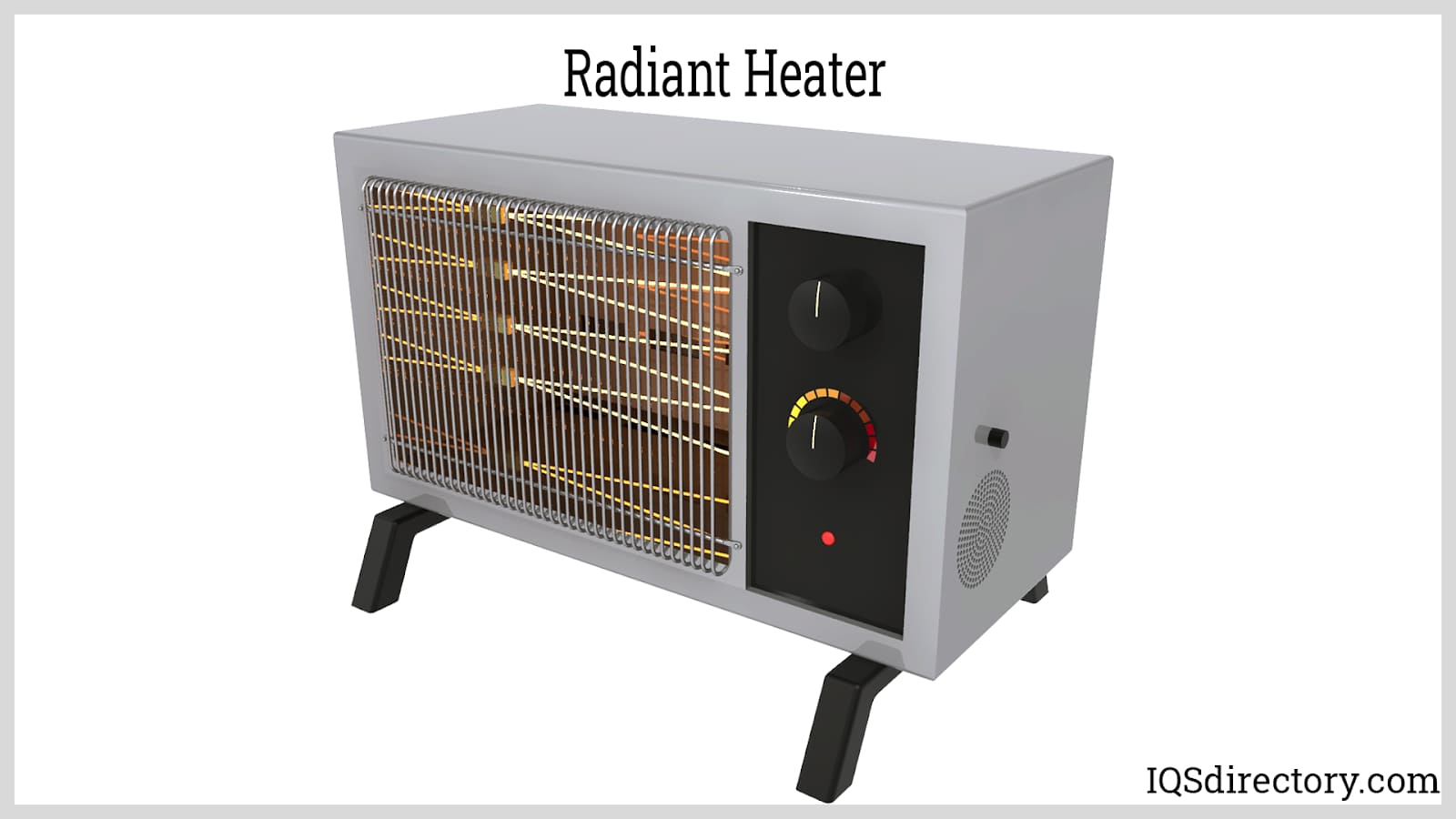
Radiant heaters radiate heat to neighboring objects and people after producing heat within. A simple example of a radiant heater is the sun. On a sunny day, the sun’s infrared radiation (heat energy) is what causes us to feel warm in our bodies. Unlike other heaters, a radiant heater does not heat the air in the immediate vicinity. Instead, the people and physical items in the area receive heat from it. As a result, no dry air is produced as with convection heaters. Read More…
At Backer Hotwatt, Inc., we dedicate ourselves to designing and manufacturing precision heating solutions that meet the demanding requirements of our customers across diverse industries. We specialize in creating high-performance infrared heaters, engineering each product to deliver reliable, efficient, and targeted heat where it is needed most.

At Casso-Solar Technologies, we take pride in advancing the science of infrared heating through precision engineering and decades of innovation. We design and manufacture high-performance infrared heaters that serve a wide range of industrial and commercial applications, including drying, curing, heating, and processing systems.

At Infratech, we are pioneers in the design and manufacturing of premium infrared heating systems that bring comfort, efficiency, and performance to residential, commercial, and industrial environments. Our focus has always been on delivering precision-engineered solutions that harness the clean, radiant warmth of infrared energy to create comfortable and controlled climates without compromise.

At Marley Engineered Products, we take pride in designing and manufacturing high-performance heating and ventilation solutions that deliver lasting comfort and energy efficiency. Our expertise in infrared heating technology allows us to create systems that provide consistent, targeted warmth in a wide range of environments, from industrial facilities and commercial spaces to residential...





More Radiant Heater Manufacturers

How Radiant Heaters Work
Radiant heaters use electromagnetic waves to transmit the heat they produce internally. These waves are transformed into heat when any object or person absorbs them. Only when the floor, walls, or body are in contact with the radiant heat does it begin to warm those surfaces. Similar to how clothing absorbs solar light, things in a room absorb radiant energy and warm the area.
Radiant heaters may heat objects even without direct contact (for instance, a person does not need to touch the sun to feel its warmth). This heat is advantageous for industrial applications when avoiding direct physical contact with the heated object or product contamination. While in conduction and convection, thermal energy moves molecules from a location of higher temperature to one of lower temperature.

No heat transmission medium exists with radiant heaters because the thermal energy moves as electromagnetic waves. Therefore, the heat energy emitted by a surface is greater than the temperature difference. This means that when the heat source's temperature doubles, there will be a roughly 16-fold increase in the amount of radiated heat. Therefore, a person feels direct heating when standing in the radiation exchange with the heat source.
Despite low air temperatures, the radiant heat absorbed is felt to be rather comforting. Commercial infrared heaters and radiant warmers use this effective infrared radiation technique. In contrast to central heating, infrared radiant heaters are decentralized heating systems that convert energy directly into heat without any energy loss during transport.
Types of Radiant Heaters
Air Radiant Heater
These kinds of radiant heating systems transmit heat using heated air. Unfortunately, these are the least effective of the three common heating technologies. The fact that air has the lowest capacity to carry and hold heat explains why they are inefficient. This is particularly true in older homes because there may be more places with air leaks or cracks that permit heat loss.

Electric Radiant Heater
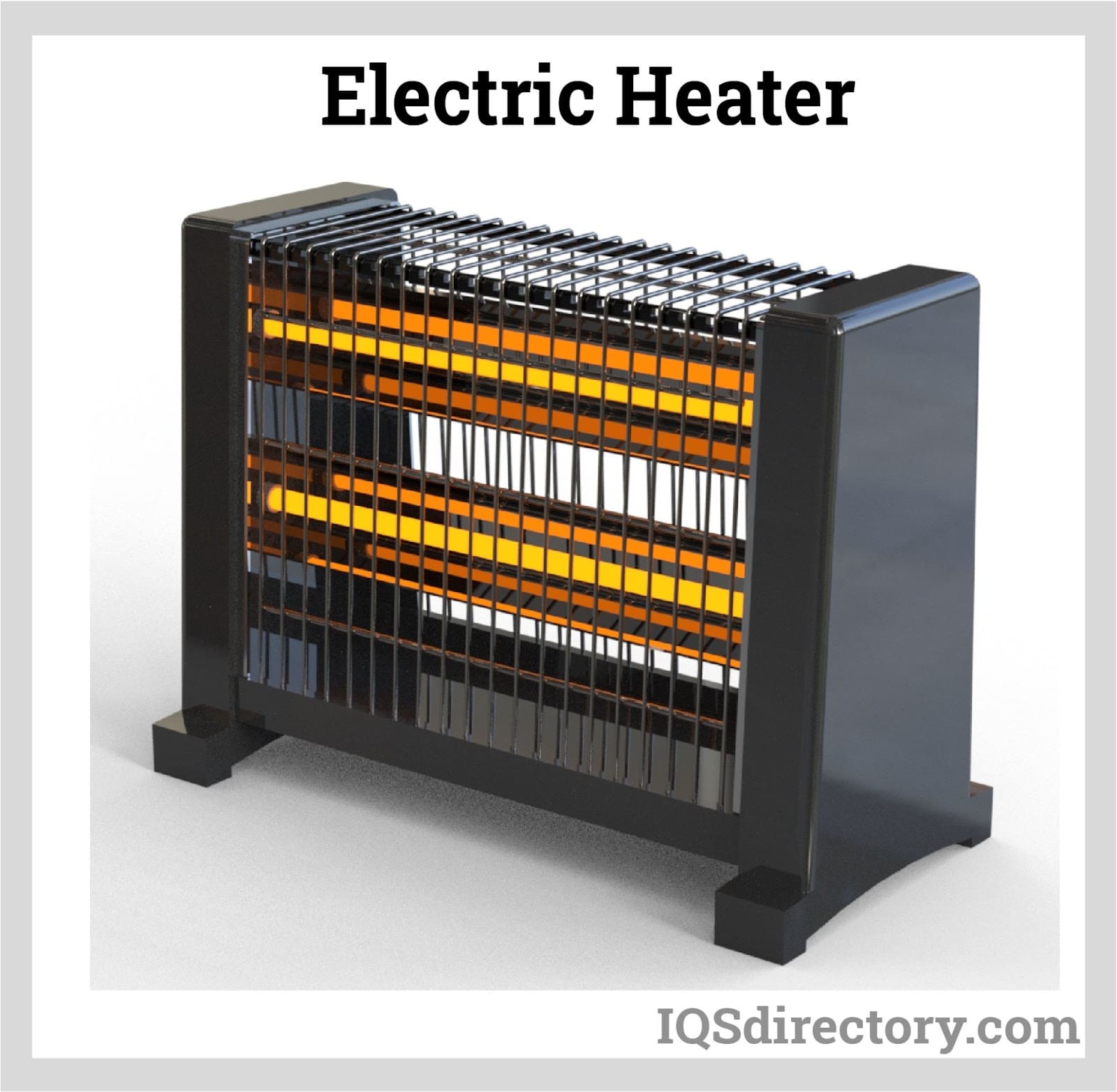
Electric coils are used in this radiant heating system to generate heat when electricity flows through them. These metal coils have electrical resistance. The coil produces heat when electricity flows across it. These coils are covered in polymer sheets so they can serve as insulation. They may heat the floor, ceiling, or wall, depending on their location; this is the preferred radiant heating technique for heating floors. The maintenance requirements for this type of radiant heating system are typically lower and last longer than alternatives. However, because electricity prices are always rising, operating them can be quite expensive.

Hydronic Radiant Heaters
These radiant heating systems employ a boiler to circulate warm water through a network of pipes that run the length of the house or floor. They can be incorporated into walls and ceilings as well. Although they operate at a much lower cost than electrical heating systems, their pipes can leak or burst. Nevertheless, hydronic radiant heating systems are the most energy- and money-efficient for heating a whole house.

Wall Mounted Radiant Heaters
These radiant heaters are recent additions to the market and have certain benefits. The main benefit is that they are slim and take up little floor space. As a result, they provide more evenly distributed radiant heat from head to toe. These radiant heating systems are also considerably safer for households with young children and pets.

Permanent Ceiling Radiant Heaters
The radiant heat panels are installed in the ceiling for these sorts of radiant heaters. Heat will subsequently be radiated from these radiant panels onto the items and people below. A radiant ceiling radiates infrared heat as soon as it is heated by just a few degrees greater than the surfaces around it. So, whether an object or surface is up or down, these radiations will warm them directly.
Advantages Radiant Heaters
- Hydronic radiant floor heating systems distribute heat evenly and affordably throughout the structure. Therefore, rather than renting space, they make sense for larger enterprises and businesses that own their facilities. In addition, with no cold or hot zones to contend with, these kinds of floor heating systems may make retail environments more comfortable for personnel and customers.
- Electric radiant floor heating systems are adaptable, enabling wet and dry installations and various retrofits. They are an excellent alternative for large buildings with various offices that need to be heated and managed because they can be swiftly installed and put to use immediately.
Choosing the Right Radiant Heater Supplier
To make sure you have the most constructive outcome when purchasing Radiant Heaters from a Radiant Heater Supplier, it is important to compare at least 4 or 5 Manufacturers using our list of Radiant Heater manufacturers. Each Radiant Heater Supplier has a business profile page that highlights their areas of experience and capabilities and a contact form to directly communicate with the manufacturer for more information or request a quote. Review each Radiant Heater company website using our patented website previewer to get an idea of what each business specializes in, and then use our simple RFQ form to contact multiple Radiant Heater companies with the same quote.
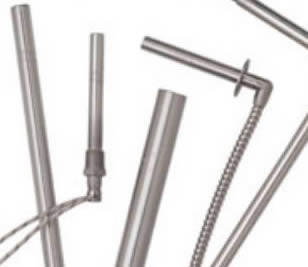
 Cartridge Heaters
 Electric Heaters
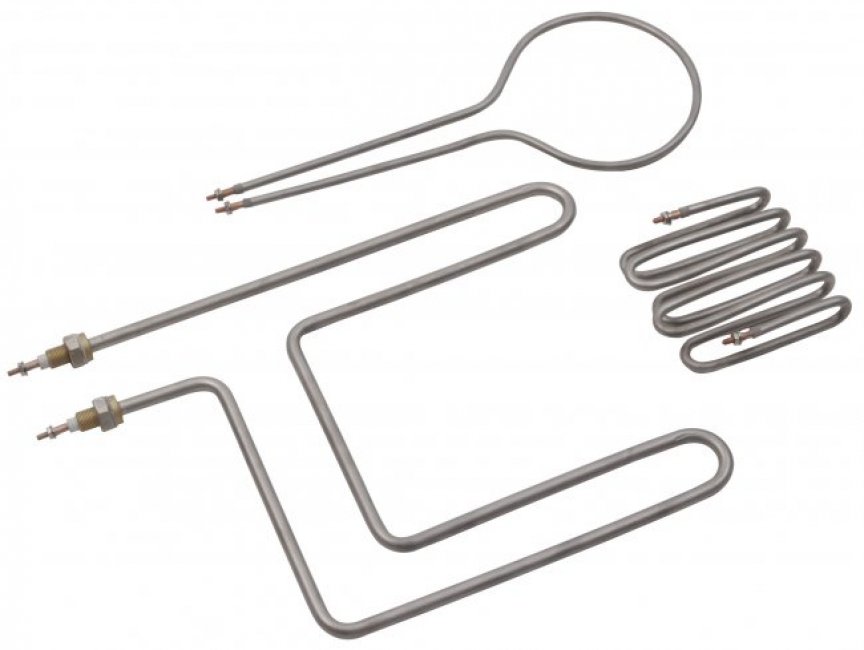 Heating Elements
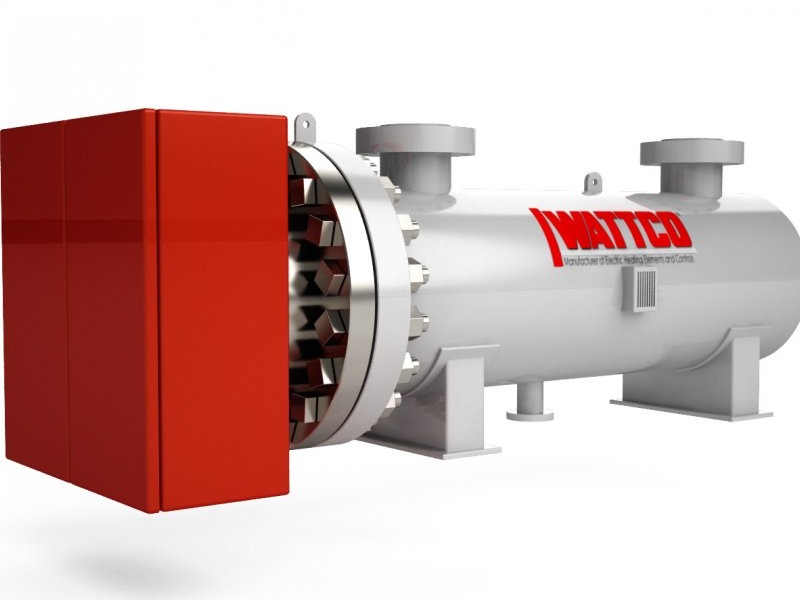 Immersion Heaters
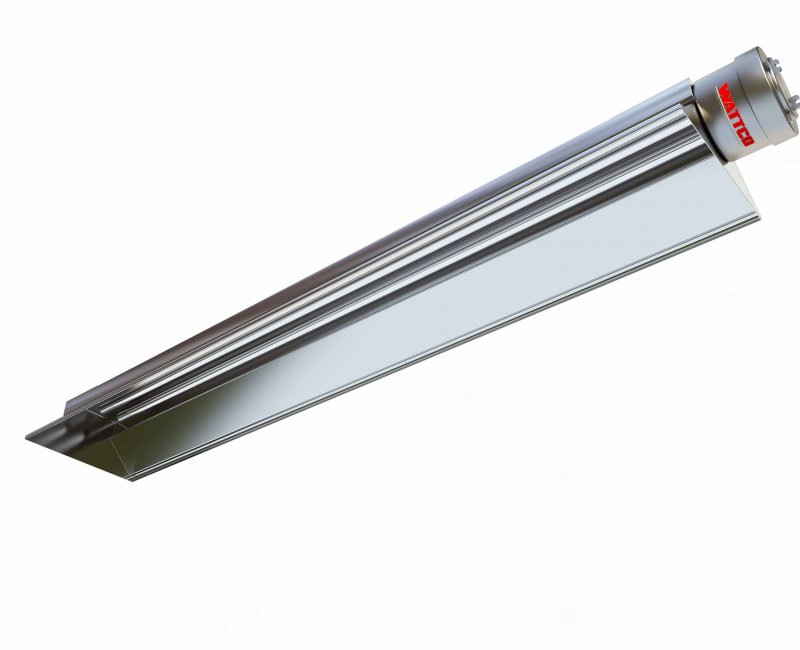 Infrared Heaters
 Air Conditioners
 Castings & Forgings
 Bulk Material Handling
 Electrical & Electronic Components
 Flow Instrumentation
 Hardware
 Material Handling Equipment
 Metal Cutting Services
 Metal Forming Services
 Metal Suppliers
 Motion Control Products
 Plant & Facility Equipment
 Plant & Facility Supplies
 Plastic Molding Processes
 Pumps & Valves
 Recycling Equipment
 Rubber Products & Services