There are different types of garage heaters, including fuel-powered garage heaters, electric-powered garage heaters, and standing and wall-mounted garage heaters. These heaters create a comfortable working environment in a garage. Read More…
At Backer Hotwatt, Inc., we dedicate ourselves to designing and manufacturing precision heating solutions that meet the demanding requirements of our customers across diverse industries. We specialize in creating high-performance infrared heaters, engineering each product to deliver reliable, efficient, and targeted heat where it is needed most.

At Casso-Solar Technologies, we take pride in advancing the science of infrared heating through precision engineering and decades of innovation. We design and manufacture high-performance infrared heaters that serve a wide range of industrial and commercial applications, including drying, curing, heating, and processing systems.

At Infratech, we are pioneers in the design and manufacturing of premium infrared heating systems that bring comfort, efficiency, and performance to residential, commercial, and industrial environments. Our focus has always been on delivering precision-engineered solutions that harness the clean, radiant warmth of infrared energy to create comfortable and controlled climates without compromise.

At Marley Engineered Products, we take pride in designing and manufacturing high-performance heating and ventilation solutions that deliver lasting comfort and energy efficiency. Our expertise in infrared heating technology allows us to create systems that provide consistent, targeted warmth in a wide range of environments, from industrial facilities and commercial spaces to residential...





More Garage Heater Manufacturers
Types of Garage Heaters
When evaluating how to heat your garage efficiently and safely, understanding the different types of garage heaters is crucial. The right heater can transform your garage into a comfortable, usable space throughout the year. Below, we break down the most popular heater types for garages, including their use cases, pros and cons, and energy efficiency considerations. If you’re wondering, “What is the best garage heater for my workspace?” or “Which garage heater is most efficient for my needs?”, read on for expert guidance.
Natural Gas Garage Heaters
Natural gas garage heaters are among the most efficient and cost-effective options for heating large or frequently used garages. These heaters utilize a direct connection to your home’s natural gas line, providing consistent and reliable heat output. This makes them ideal for residential garages, workshops, auto repair shops, and commercial settings where maintaining a steady temperature is essential. Natural gas units are especially popular in colder climates due to their ability to deliver powerful, whole-space heating.
- Energy Efficiency: High, especially for larger garages or continuous use.
- Operating Cost: Lower than electric models over time, due to the lower cost of natural gas.
- Installation: Requires professional installation and proper venting.
- Maintenance: Minimal ongoing maintenance, but annual safety checks are recommended.
- Best for: Homeowners seeking long-term savings and robust performance.

Curious about installation or local building codes? Consult a professional garage heating installer for guidance on natural gas heater setup and safety.
Propane Garage Heaters
Propane garage heaters offer exceptional flexibility and portability, making them a popular choice for detached garages, workshops, and locations where natural gas access is unavailable. Propane heaters use liquid propane tanks, which are easy to replace or refill. They come in a variety of designs, including portable, wall-mounted, and ceiling-mounted units, allowing you to customize your heating solution based on available space and usage patterns.
- Versatility: Available in both vented and non-vented models; some are portable for spot heating.
- Clean Burning: Propane produces fewer emissions and burns clean, reducing indoor air quality concerns.
- Cost: Typically more affordable upfront, but ongoing fuel costs can vary based on local propane prices.
- Safety: Most models include safety shut-off features and oxygen depletion sensors.
- Best for: Users needing flexible, powerful heat in non-attached garages or outbuildings.
Not sure if propane is right for you? Compare propane vs. electric garage heaters for your specific garage size and climate.
Kerosene Garage Heaters
Kerosene garage heaters are a traditional choice for spaces that need quick, high-intensity heating, particularly in uninsulated or poorly insulated garages. Kerosene, refined from petroleum, is stored in easy-to-refill tanks. These units excel in cold temperatures, with some models rated for operation in environments well below freezing. While less common today due to fuel odor and maintenance needs, kerosene heaters remain a viable option for temporary, high-output heating in outdoor shops or construction sites.
- Heat Output: Excellent for rapid heating and extreme cold.
- Portability: Many models are portable, perfect for job sites.
- Maintenance: Requires regular cleaning, wick replacement, and careful fuel handling.
- Operating Cost: Among the lowest upfront, but fuel costs and maintenance add up.
- Best for: Occasional use, outdoor workspaces, or emergency backup heating.
Looking for a cost-effective way to heat your garage during winter projects? Explore kerosene garage heater safety tips and best practices.
Electric Garage Heaters
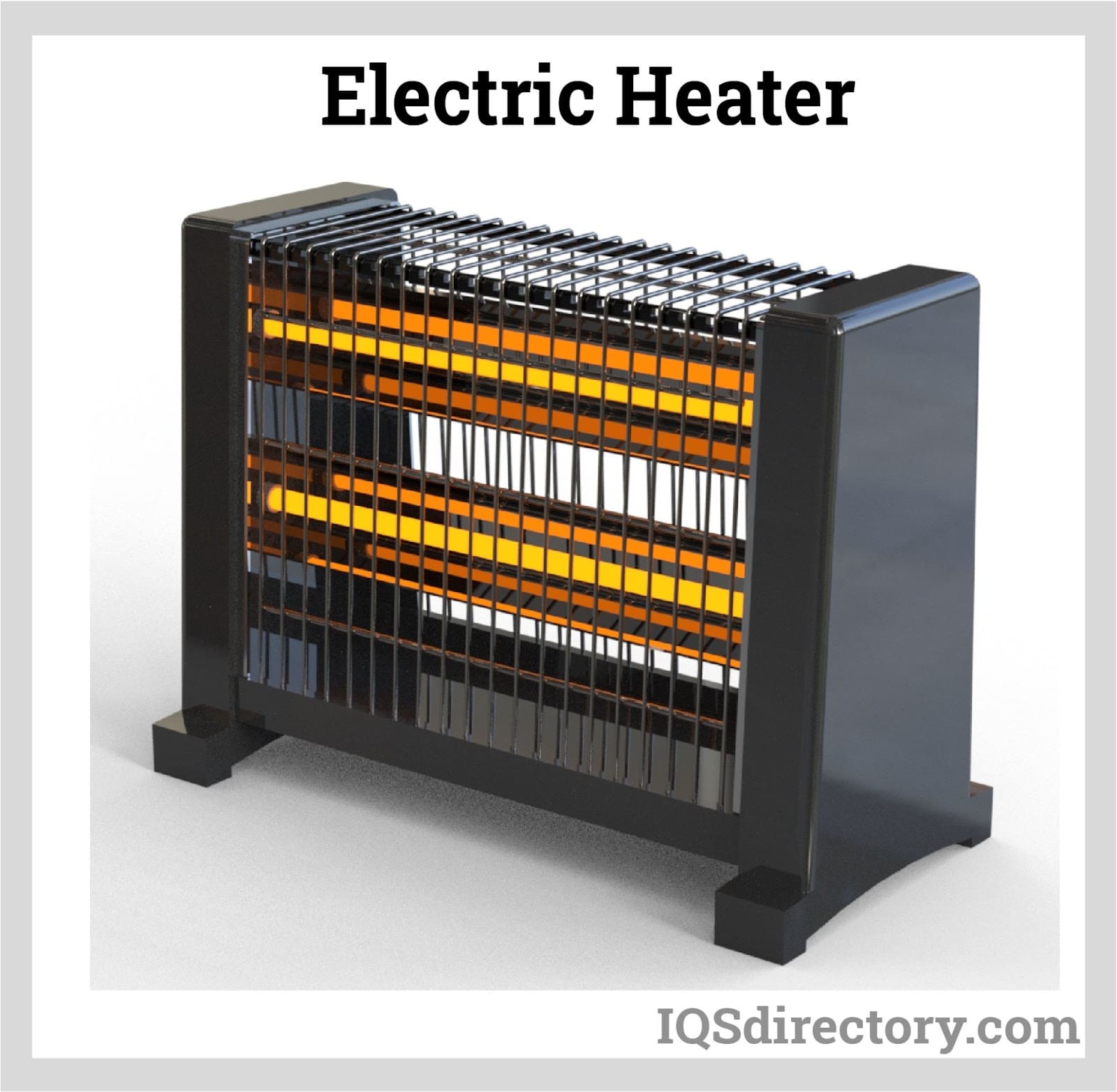
Electric garage heaters are the most widely used and easily installed heating solutions for garages of all sizes. They are available in a range of capacities, from small plug-in units to powerful hardwired models designed for larger spaces. Electric heaters operate cleanly, with no emissions or fumes, making them a safe choice for insulated garages, attached garages, or areas with limited ventilation. Many units feature built-in thermostats and timers for precise, energy-efficient temperature control.
- Installation: Simple plug-in setup for small units; larger units may require dedicated circuits.
- Maintenance: Minimal, mostly cleaning dust from fans and vents.
- Efficiency: Best suited to insulated garages and intermittent use.
- Cost: Lower upfront cost; operating costs depend on local electricity rates.
- Safety: No risk of gas leaks or combustion gases; ideal for environments with flammable materials.
- Best for: Homeowners prioritizing ease of use, safety, and low maintenance.

Wondering which electric garage heater is best for your space? See top-rated electric garage heater models and compare their features.
Ceramic Garage Heaters
Ceramic garage heaters employ advanced ceramic elements for efficient heat transfer and rapid warm-up times. These heaters often feature rear-venting outlets and are designed for safe, steady heating without the use of flammable fuels. Their compact, modern designs make them a popular choice for homeowners who prioritize safety and aesthetics alongside performance.
- Safety: No open flames or combustible fuel; cool-to-the-touch exteriors.
- Efficiency: Heats quickly and distributes warmth evenly.
- Placement: Require clearance from walls due to heat output; check manufacturer guidelines.
- Cost: Often more expensive than basic electric models, but offer advanced features and energy-saving modes.
- Best for: Garages where safety, style, and fast performance are priorities.
Need safe, modern heating? Learn more about ceramic garage heater advantages and how to choose the right size for your garage.
Fan-Forced Garage Heaters
Fan-forced garage heaters combine a robust heating element with a powerful fan to distribute warm air rapidly throughout the space. These units come in both electric and gas-powered versions and are prized for their versatility and quick heating capabilities. They’re ideal for garages that see frequent in-and-out traffic or are used as workshops, hobby spaces, or multi-purpose areas.
- Distribution: Evenly heats large or irregularly shaped garages.
- Speed: Rapidly warms up cold spaces.
- Installation: Can be wall-mounted, ceiling-mounted, or portable.
- Applications: Great for woodworking shops, hobby garages, and auto repair bays.
- Best for: Users who require instant, widespread heat in busy garages.
Looking for high-output heating? Compare different heating element technologies for fan-forced garage heaters.
Garage Heater Applications and Use Cases
Garage heaters have a wide range of residential and commercial applications, making them essential for anyone looking to maximize the functionality of their garage or outbuilding. Common use cases include:
- Vehicle Storage: Protect your car, motorcycle, or recreational vehicle from extreme cold, preventing battery drain and engine wear.
- Workshops & Hobby Spaces: Maintain a comfortable working temperature for woodworking, metalworking, or creative pursuits all winter long.
- Home Gyms: Keep your fitness goals on track by creating a warm, inviting exercise environment, even in cold weather.
- Pet Shelters: Ensure pets or small animals housed in the garage stay safe and warm during temperature drops.
- Storage Protection: Prevent freezing, moisture damage, and spoilage for tools, paint, food, or sensitive equipment.
- Increased Living Space: Convert your garage into a playroom, man cave, craft studio, or guest suite with year-round comfort.
- Commercial & Industrial: Keep auto repair shops, warehouses, and service bays operational and safe for employees and customers.
Want to discover more creative uses for garage heaters? Explore ways to maximize your garage’s potential with the right heating solution.
Benefits of Installing a Garage Heater
Investing in a quality garage heater delivers a range of tangible benefits for homeowners, business owners, and DIY enthusiasts alike. Here’s why adding a heater to your garage is a smart decision:
1. Prevents Costly Damage
Freezing temperatures can wreak havoc on items stored in your garage. A properly sized garage heater prevents frozen pipes, protects appliances, keeps pet habitats safe, and prevents food or beverages from spoiling due to extreme cold. This proactive step can save you from expensive repair or replacement costs.
2. Protects Your Home Investment
Maintaining a heated garage not only safeguards your belongings but also helps preserve the structural integrity of your home. Unheated garages can lead to cold air infiltration, affecting adjacent living spaces and increasing heating bills. Garage heaters act as a buffer, improving overall energy efficiency for your property.
3. Enhances Comfort and Productivity
Whether you use your garage for projects, hobbies, or as a workspace, maintaining a comfortable temperature year-round allows you to make the most of your space. A warm garage is far more inviting, boosting productivity and enjoyment during winter months.
4. Saves Money and Energy
Today’s best garage heaters feature energy-efficient designs and programmable thermostats, allowing you to heat your space only when needed. Well-insulated garages paired with the right heater can significantly reduce energy waste, control utility costs, and even cut down on vehicle warm-up times—saving you both money and fuel.
5. Extends Vehicle Life
Keeping your garage warm helps maintain your car’s battery life, reduces the need for block heaters, and minimizes the time spent idling to defrost or warm up your vehicle. This not only improves convenience but can also lengthen your vehicle’s lifespan and reduce maintenance needs.
6. Space-Saving and Quiet Operation
Modern garage heaters are designed to be compact, quiet, and unobtrusive. Many models can be ceiling- or wall-mounted, freeing up valuable floor space for storage or work. Newer units operate silently, ensuring you can work, relax, or sleep without disturbance.
7. Increases Usable Living Space
With a reliable garage heater, your garage can become an extension of your home—usable for projects, recreation, or even additional refrigeration year-round. This flexibility can boost your property value and better accommodate growing families or changing needs.
Additional Advantages
- Simple installation options for both new and existing garages
- Available in a variety of fuel types to fit any budget or energy preference
- Helps maintain optimal humidity levels and reduces condensation on tools and equipment
- Supports safety with built-in overheat protection and tip-over shutoff features
- Customizable with smart thermostats for remote operation and scheduling
Ready to discover the right garage heater for your needs? Compare top brands, fuel types, and control features to find the best fit for your space.
Factors to Consider When Choosing a Garage Heater
Before making a purchase, it’s important to evaluate several key factors to ensure you select the ideal garage heater for your requirements. Consider the following decision points:
- Garage Size & Insulation: Larger or poorly insulated garages require more powerful heaters. Calculate BTU (British Thermal Unit) or wattage needs based on square footage and insulation quality.
- Fuel Type & Availability: Choose between natural gas, propane, kerosene, or electric depending on local utility access and cost.
- Installation Requirements: Some heaters need professional installation and venting, while others are plug-and-play.
- Safety Features: Look for automatic shutoff, tip-over protection, and oxygen depletion sensors for peace of mind.
- Thermostat & Controls: Consider programmable thermostats, remote controls, or smart home integration for convenience and energy savings.
- Noise Level: Opt for quiet-operation models if you’ll be working or relaxing in the garage.
- Budget: Weigh upfront cost against long-term fuel or energy expenses to find the best value.
Need help sizing your garage heater? Use our garage heater sizing calculator to find the right BTU or wattage for your space and climate.
Choosing the Right Garage Heaters Manufacturer
To ensure the best results when purchasing a garage heating system, it’s essential to work with an experienced and reputable garage heater manufacturer or supplier. Here’s what to look for when comparing companies and brands:
- Expertise & Reputation: Review company history, customer reviews, and industry certifications.
- Product Selection: Choose manufacturers offering a wide range of heater types, capacities, and features.
- Customization: Some companies can tailor solutions to your specific garage size, insulation, and usage patterns.
- Warranty & Support: Look for robust warranties, responsive customer service, and available replacement parts.
- Installation Services: Many top manufacturers offer professional installation or can recommend trusted local contractors.
- Price Transparency: Request quotes from multiple suppliers to compare pricing, shipping, and return policies.
To make sure you have the most productive outcome when purchasing garage heaters, it is important to compare at least 5 or 6 companies using our comprehensive list of garage heater manufacturers. Each company’s business profile page highlights their areas of expertise, capabilities, and includes a contact form to directly communicate with the manufacturer for more information or to request a quote. Review each company website using our proprietary website previewer to get an idea of what each business specializes in, and use our simple RFQ form to contact multiple garage heater businesses with the same message.
Interested in finding the best garage heater manufacturer near you? Browse our curated list of top-rated garage heater suppliers and request quotes today.
Frequently Asked Questions About Garage Heaters
- What size garage heater do I need? Use our garage heater sizing calculator for a personalized recommendation based on your garage’s dimensions and insulation.
- Which garage heater is best for a 2-car garage? Compare options by BTU output, fuel type, and installation requirements to match your usage and climate.
- Are garage heaters safe to use? Modern garage heaters are equipped with extensive safety features. Always follow manufacturer instructions for installation and use.
- How can I make my garage heater more energy efficient? Pair your heater with quality insulation, weather stripping, and a programmable thermostat.
- Can I install a garage heater myself? Many electric models are DIY-friendly, but gas-powered heaters often require professional installation to meet safety codes.
- What maintenance does a garage heater require? Electric and ceramic heaters need minimal upkeep, while fuel-based units should be inspected and cleaned regularly.
Still have questions about garage heaters or want to compare models? Contact our expert team for personalized recommendations and buying tips.
Garage Heater Sizing Tool
Properly sizing your garage heater ensures optimal comfort and efficiency. Use our garage heater sizing tool to determine the right BTU or wattage for your space, based on garage size, insulation, and local climate:
- Measure your garage’s square footage (length x width).
- Assess insulation quality (none, partial, or fully insulated).
- Factor in ceiling height and typical outdoor winter temperatures.
- Use our online calculator or consult with a garage heater specialist for a custom recommendation.
Get started now: Find the best heater for your garage size and needs.
Conclusion: Find the Ideal Garage Heater for Your Needs
Choosing the right garage heater unlocks year-round comfort, protects your investments, and adds value to your property. Whether you need a powerful natural gas heater for a workshop, a convenient electric unit for a home gym, or an energy-efficient ceramic heater for a multi-use space, today’s wide range of options ensures there’s a perfect solution for every garage and budget. Evaluate your specific requirements, compare top manufacturers, and use sizing tools to make an informed, confident decision. For more expert advice, product comparisons, and exclusive deals on the best garage heaters, contact our team or request a quote today.
 Cartridge Heaters
 Electric Heaters
 Heating Elements
 Immersion Heaters
 Infrared Heaters
 Air Conditioners
 Castings & Forgings
 Bulk Material Handling
 Electrical & Electronic Components
 Flow Instrumentation
 Hardware
 Material Handling Equipment
 Metal Cutting Services
 Metal Forming Services
 Metal Suppliers
 Motion Control Products
 Plant & Facility Equipment
 Plant & Facility Supplies
 Plastic Molding Processes
 Pumps & Valves
 Recycling Equipment
 Rubber Products & Services