Quartz heaters are heating devices that transfer heat using electromagnetic radiation known as short-wave infrared heating. Radiant heating makes use of infrared waves for directly heating surfaces and objects. Every object emits and absorbs infrared heat (the part of the electromagnetic spectrum with a frequency below visible light). In quartz heaters, an electric heating element is powered to produce energy in the infrared portion of the spectrum that will then transfer to the target. Read More…
At Backer Hotwatt, Inc., we dedicate ourselves to designing and manufacturing precision heating solutions that meet the demanding requirements of our customers across diverse industries. We specialize in creating high-performance infrared heaters, engineering each product to deliver reliable, efficient, and targeted heat where it is needed most.
At Casso-Solar Technologies, we take pride in advancing the science of infrared heating through precision engineering and decades of innovation. We design and manufacture high-performance infrared heaters that serve a wide range of industrial and commercial applications, including drying, curing, heating, and processing systems.
At Infratech, we are pioneers in the design and manufacturing of premium infrared heating systems that bring comfort, efficiency, and performance to residential, commercial, and industrial environments. Our focus has always been on delivering precision-engineered solutions that harness the clean, radiant warmth of infrared energy to create comfortable and controlled climates without compromise.

At Marley Engineered Products, we take pride in designing and manufacturing high-performance heating and ventilation solutions that deliver lasting comfort and energy efficiency. Our expertise in infrared heating technology allows us to create systems that provide consistent, targeted warmth in a wide range of environments, from industrial facilities and commercial spaces to residential...



More Quartz Heater Manufacturers
What are Quartz Heaters?
Quartz heaters are a type of electric infrared heater that utilizes a quartz tube or quartz element to deliver highly efficient radiant heat. Unlike conventional convection heaters that warm the air, quartz heaters emit infrared radiation that directly heats people and objects in their path, ensuring fast and focused warmth. Air does not quickly absorb infrared energy; therefore, most of the energy is used to heat the target area or material. Quartz is almost transparent to infrared energy, making it an ideal medium for this application. This transparency allows more than 95% of the infrared heat generated by the heating element to pass through the quartz, resulting in exceptional heating efficiency and minimal energy loss.
Due to their energy efficiency, reliability, and consistent performance, quartz heaters have become a preferred choice for both residential and industrial heating applications. They are used in diverse settings, from home spaces to manufacturing facilities, garages, warehouses, and drying processes. When you are considering a quartz heater for your application, understanding the technology and types available can help you make an informed decision tailored to your needs.

The Working Principle of Quartz Heaters
Quartz heaters belong to the broader category of infrared heaters, which are widely recognized in the heating industry for their targeted warmth and rapid response. At the heart of a quartz heater is a heating element—often a coil or wire—enclosed within a quartz tube. When electricity passes through the element, it heats up to high temperatures, producing infrared radiation. The quartz tube acts as a protective barrier that contains the element, shields users from direct contact, and prevents heat loss via convection.
The unique property of quartz, being highly transparent to infrared waves, allows the generated heat to pass through the tube almost unimpeded. Once the quartz tube reaches the desired temperature, it begins to emit infrared energy outward. This radiant heat is directly absorbed by nearby objects, surfaces, and people, rather than dispersing into the air. As a result, quartz heaters are exceptionally efficient for spot heating, process heating, and industrial drying, where immediate and intense heat is required.
Looking to learn more about how infrared heating elements work? Explore our guide to infrared heating elements for a deeper understanding of their role in modern heating systems.
Types of Quartz Heaters
Quartz heaters are available in several designs, each engineered for specific heating applications and environments. The main types of quartz heaters include:
-
Medium Wavelength Tube Heaters
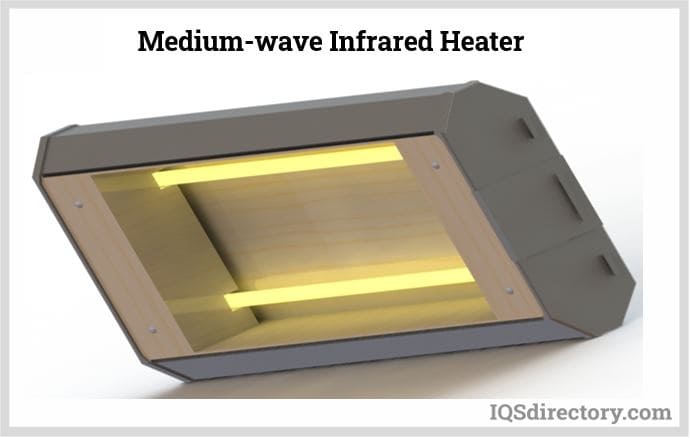
Medium wavelength tube heaters use a resistance heating element enclosed inside a clear or translucent quartz tube. These heaters are typically mounted in banks to form heating arrays, making them ideal for industrial drying, curing, and processing lines. Medium wavelength infrared heaters are effective for materials like plastics, paper, textiles, and coatings, where deeper heat penetration is required without damaging the surface.

-
Short Wavelength Tube Heaters
Short wavelength (or near-infrared) tube heaters operate at higher temperatures than medium wavelength types. These heaters feature a tungsten filament housed within a quartz tube that is filled with a noble gas and hermetically sealed. The result is a powerful, high-intensity source of radiant heat, capable of reaching temperatures up to 2,200°C. Short wavelength quartz heaters are particularly suitable for metal processing, powder coating, paint curing, glass manufacturing, and applications requiring instant heating with rapid response times.
-
Quartz Panel Heaters
Quartz panel heaters are designed with a larger surface area for broader, uniform heat distribution. These high-mass heaters contain several quartz elements embedded in a panel, making them suitable for heating large rooms, commercial offices, lobbies, or industrial workspaces. Their even energy output makes them popular for supplemental heating, zone heating, and applications where maintaining a consistent ambient temperature is vital.

-
Furnace Tube Heaters
Furnace tube heaters are constructed by winding a heating element—such as a metal coil—around the exterior of a quartz tube. This configuration is especially beneficial for high-temperature furnace operations, laboratory ovens, and process environments where both infrared and convection heating are needed. The exterior placement of the element allows for controlled, uniform heating of the tube and the medium within it. Furnace tube heaters are commonly found in industrial kilns, thermal processing ovens, and chemical vapor deposition systems.
Interested in the components that make up effective furnace heaters? Discover the latest in heating element technology.
Typical Applications for Quartz Heaters
Quartz heaters are trusted across a wide range of industries due to their efficiency, reliability, and versatility. Common applications include:
- Industrial Process Heating: Used for paint and powder coating curing, drying inks, adhesives, and coatings, shrink-wrapping, thermoforming plastics, and pre-heating metals.
- Commercial and Residential Space Heating: Supplemental heating in offices, homes, garages, workshops, patios, and outdoor dining areas, providing fast warmth in targeted zones.
- Food Service: Keeping food warm in restaurants, buffets, and catering lines by using radiant heat without drying out the product.
- Medical and Laboratory: Sterilization, drying, and temperature-controlled environments in hospitals, labs, and research facilities.
- Electronics and Semiconductor Manufacturing: Soldering, drying, and process heating for circuit boards and microchip fabrication.
- Printing and Packaging: Rapid drying of inks and varnishes, and shrink film packaging.
Not sure if quartz heaters are the right fit for your application? Ask yourself:
- Do you need fast, targeted heat with minimal warm-up time?
- Is energy efficiency and cost savings a priority for your facility?
- Are you looking for a heating solution with low maintenance and long service life?
- Do you require quiet operation without air movement?
- Are you seeking an environmentally safe heating system without emissions?
Explore our Infrared Heaters resource center to help you evaluate and compare the best solutions for your needs.
Benefits of Quartz Heaters for Manufacturers and End Users
Quartz heaters offer a host of advantages over conventional heating methods, making them a top choice for manufacturers, industrial operators, and consumers alike. Here’s why:
1. Superior Energy Efficiency
Because quartz heaters deliver infrared radiant energy directly to the target, there is minimal heat loss to the surrounding air. This targeted delivery results in lower energy consumption, faster heating cycles, and greater cost savings over time. Electric quartz heaters are especially efficient, converting nearly all electrical energy into usable heat. This makes them ideal for facilities seeking to reduce their carbon footprint and utility bills.
2. Fast, Even Heat Distribution
Quartz heaters provide almost instantaneous heat, reaching full output within seconds of activation. Their radiant nature ensures that heat is distributed evenly across surfaces, eliminating cold spots and improving comfort. This feature is particularly useful for precision manufacturing, drying, and environments where uniform temperature is critical.
3. Safety and Environmental Friendliness
Unlike combustion-based heaters, quartz heaters do not burn oxygen or produce harmful emissions such as carbon monoxide or nitrogen oxides, making them safe for use indoors and in enclosed spaces. They are electrically powered and environmentally friendly, offering clean, silent operation. Many quartz heaters feature safety cut-offs, overheat protection, and cool-touch exteriors to further enhance workplace and home safety.
4. Durability and Low Maintenance
Built to withstand prolonged, high-temperature use, quartz heaters are known for their long operational life. With few moving parts and no fans or blowers required, maintenance needs are minimal. The rapid heating and cooling cycles also reduce wear and tear on the heating elements, contributing to overall durability.
5. Versatility and Adaptability
From spot heating in industrial workshops to whole-room heating in commercial environments, quartz heaters are available in a wide array of sizes, shapes, and power ratings. This adaptability allows users to select the right heater for virtually any application, whether it’s a portable plug-in unit for home use or a custom-engineered solution for production lines.
6. Quiet and Comfortable Operation
Because quartz heaters do not rely on fans or blowers to move air, they operate silently. This makes them an excellent choice for noise-sensitive environments such as bedrooms, offices, libraries, and healthcare settings.
7. Easy Installation and Integration
Most quartz heaters can be quickly installed with standard electrical connections, either wall-mounted, ceiling-hung, or freestanding. Many models are plug-and-play, requiring no special venting or complex setup. For industrial applications, customized systems can be engineered to integrate seamlessly with existing process lines or control systems.
Key Decision Factors When Selecting Quartz Heaters
Choosing the right quartz heater involves evaluating several critical factors to ensure optimal performance, cost-effectiveness, and long-term reliability. Here are the most important considerations:
- Heating Application: Define whether you need spot heating, process heating, ambient heating, or supplemental heating. The type of quartz heater you choose—tube, panel, or furnace—should align with your intended use.
- Wavelength and Output: Consider the wavelength range (short, medium, or long) that best suits your material or process. For example, short wavelength heaters are ideal for surface heating and rapid processing, while medium wavelength models are better for deeper penetration.
- Power and Coverage Area: Calculate the wattage and surface area required to achieve your desired temperature and coverage. Oversized or undersized heaters can impact efficiency and effectiveness.
- Mounting and Installation: Determine if a wall-mounted, ceiling-mounted, portable, or built-in solution is best for your space and installation requirements.
- Control Options: Look for features such as thermostats, timers, remote controls, and integration with building automation systems for enhanced convenience and energy savings.
- Safety and Certification: Ensure your quartz heater meets relevant safety standards (UL, CE, etc.) and includes built-in safety mechanisms like overheat protection, tip-over switches, and cool-touch surfaces.
- Maintenance and Longevity: Select units with proven reliability, easy-to-replace elements, and robust construction for minimal downtime and long service life.
Need help choosing the right quartz heater for your application? Start by answering:
- What is the size and layout of the area you need to heat?
- Are there specific temperature requirements or process constraints?
- What are your installation limitations?
- Do you need portable or fixed heating solutions?
- What is your budget and desired maintenance level?
For tailored recommendations and expert advice, contact our network of quartz heater specialists.
Choosing the Right Quartz Heaters Manufacturer
Finding a reputable quartz heater manufacturer or supplier is essential for ensuring product quality, efficiency, and support. When sourcing quartz heaters for your business or project, follow these steps to make an informed decision:
- Compare Multiple Suppliers: Evaluate at least four quartz heater manufacturers using our comprehensive directory of trusted suppliers. Each business profile features their experience, product range, certifications, and capabilities.
- Review Specializations: Use our proprietary website previewer to gain insights into each company’s area of expertise—such as industrial heating, residential solutions, or custom-engineered systems.
- Request Quotes and Information: Utilize our streamlined RFQ (Request for Quote) form to contact multiple manufacturers simultaneously. Ask about lead times, technical support, warranties, and after-sales service.
- Check Certifications and References: Confirm compliance with industry standards and request references or case studies from previous clients to assess the supplier’s reliability and project experience.
- Assess Technical Support: Choose a supplier who offers responsive technical support, installation guidance, and troubleshooting to ensure seamless integration and operation.
Ready to get started? Contact qualified quartz heater manufacturers now and ensure you receive the most competitive pricing, product expertise, and ongoing support for your needs.
Frequently Asked Questions about Quartz Heaters
What is the difference between quartz heaters and ceramic heaters?
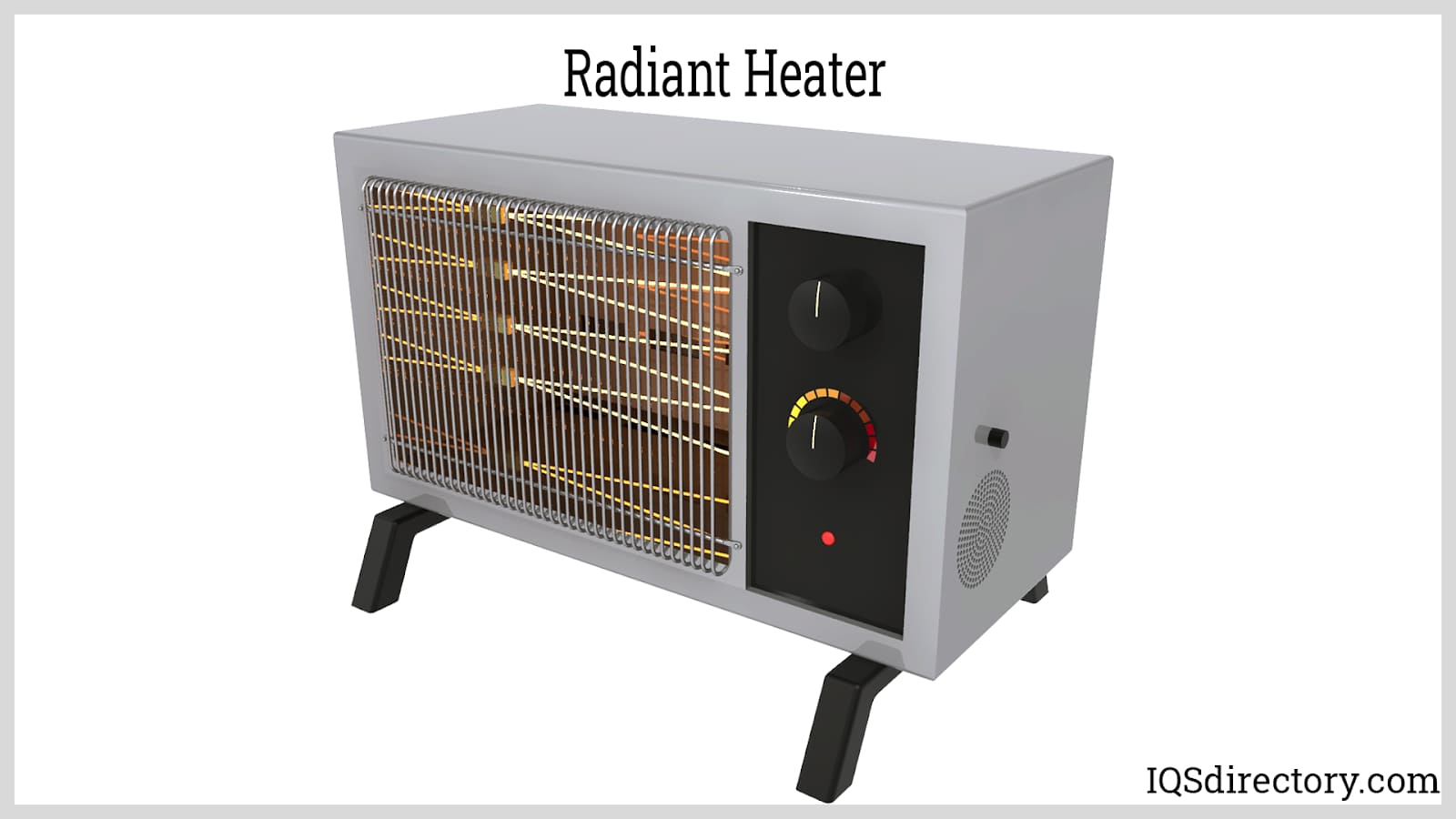
While both are types of electric radiant heaters, quartz heaters use infrared-emitting quartz tubes for rapid, focused heating, whereas ceramic heaters use a ceramic element to warm the air via convection and radiation. Quartz heaters are generally faster and more efficient for spot heating, while ceramic heaters are better for gradual, ambient room heating.
Are quartz heaters energy efficient?
Yes. Quartz heaters are among the most energy-efficient electric heaters available, converting nearly all input energy into usable infrared heat and minimizing losses to the air. This makes them cost-effective for zone heating and process applications.
Can quartz heaters be used outdoors?
Many quartz heaters are designed for outdoor and semi-outdoor use, such as patios, decks, and exterior dining areas. Always check for weatherproof ratings and suitable mounting options when selecting a heater for outdoor environments.
What safety features should I look for in a quartz heater?
Key safety features include overheat protection, tip-over switches, cool-touch housing, safety grills, and certification by recognized safety agencies (UL, CE, etc.). These features help prevent accidents and ensure reliable operation.
How do I size a quartz heater for my space?
Calculate the square footage of the area to be heated, consider insulation quality, and consult manufacturer guidelines for recommended wattage. For industrial and process applications, factor in the material type, desired temperature, and process speed.
Explore More Quartz Heater Resources
Ready to dive deeper? Here are some helpful next steps:
- Learn about different types of infrared heating elements
- Browse our complete resource center for infrared and quartz heater technologies
- Contact our application specialists for a free consultation
By understanding the science, types, applications, and selection criteria for quartz heaters, you can confidently choose the right solution—improving energy efficiency, reducing costs, and optimizing comfort or process performance for your space or facility. If you’re ready to order, compare, or simply learn more about the benefits of quartz heating, our network of leading manufacturers and knowledgeable advisors is here to help you every step of the way.
 Cartridge Heaters
 Electric Heaters
 Heating Elements
 Immersion Heaters
 Infrared Heaters
 Air Conditioners
 Castings & Forgings
 Bulk Material Handling
 Electrical & Electronic Components
 Flow Instrumentation
 Hardware
 Material Handling Equipment
 Metal Cutting Services
 Metal Forming Services
 Metal Suppliers
 Motion Control Products
 Plant & Facility Equipment
 Plant & Facility Supplies
 Plastic Molding Processes
 Pumps & Valves
 Recycling Equipment
 Rubber Products & Services