Infrared heat waves are long electromagnetic waves located very near the visible part of the electromagnetic spectrum which can give off a large amount of heat that is easily absorbed by many surfaces when directed using a reflective shield. Read More…
At Backer Hotwatt, Inc., we dedicate ourselves to designing and manufacturing precision heating solutions that meet the demanding requirements of our customers across diverse industries. We specialize in creating high-performance infrared heaters, engineering each product to deliver reliable, efficient, and targeted heat where it is needed most.
At Casso-Solar Technologies, we take pride in advancing the science of infrared heating through precision engineering and decades of innovation. We design and manufacture high-performance infrared heaters that serve a wide range of industrial and commercial applications, including drying, curing, heating, and processing systems.
At Infratech, we are pioneers in the design and manufacturing of premium infrared heating systems that bring comfort, efficiency, and performance to residential, commercial, and industrial environments. Our focus has always been on delivering precision-engineered solutions that harness the clean, radiant warmth of infrared energy to create comfortable and controlled climates without compromise.

At Marley Engineered Products, we take pride in designing and manufacturing high-performance heating and ventilation solutions that deliver lasting comfort and energy efficiency. Our expertise in infrared heating technology allows us to create systems that provide consistent, targeted warmth in a wide range of environments, from industrial facilities and commercial spaces to residential...




More Radiant Gas Heater Manufacturers
Radiant Gas Heaters: Efficient Infrared Heating Solutions for Industrial and Commercial Applications
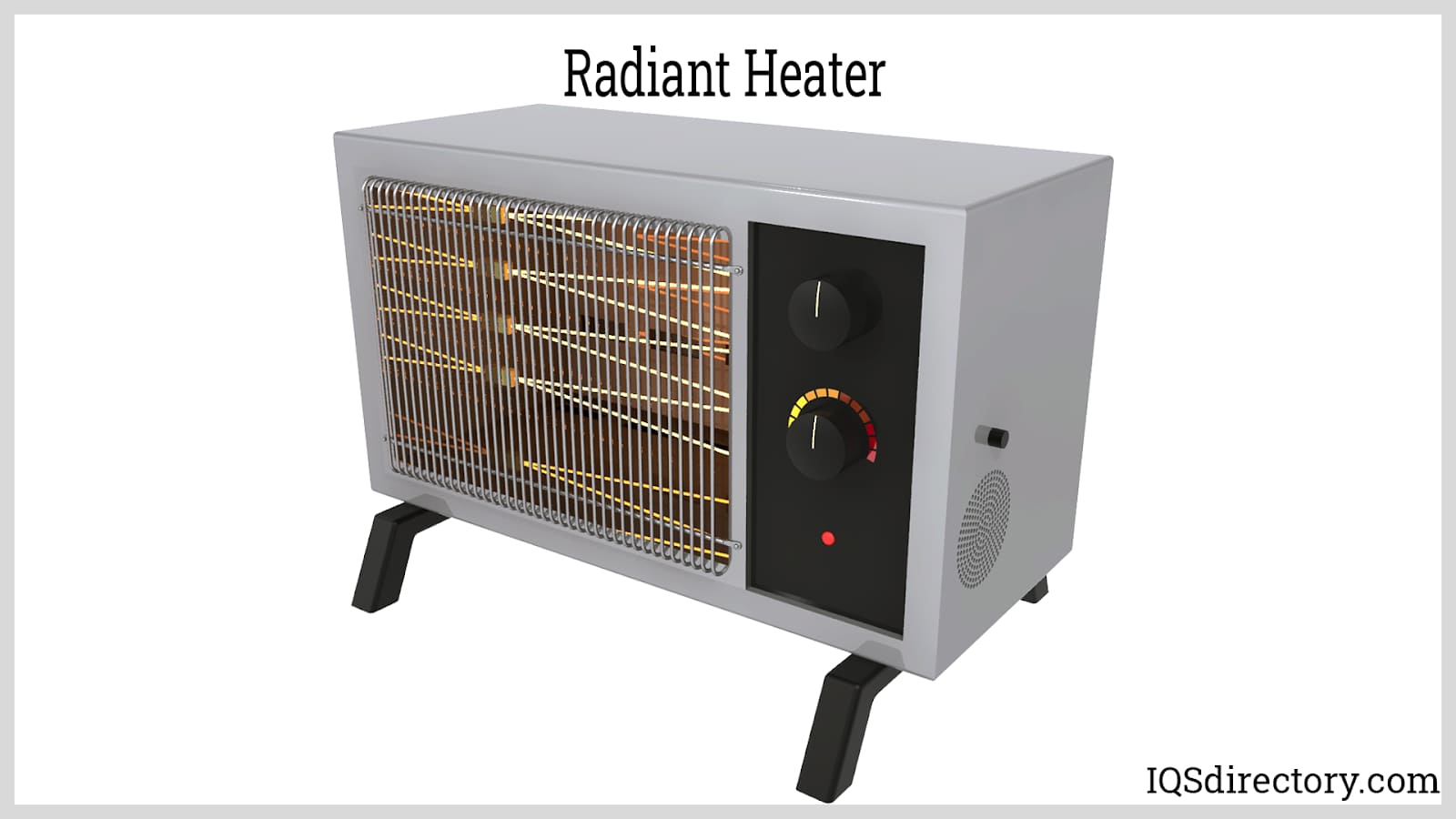
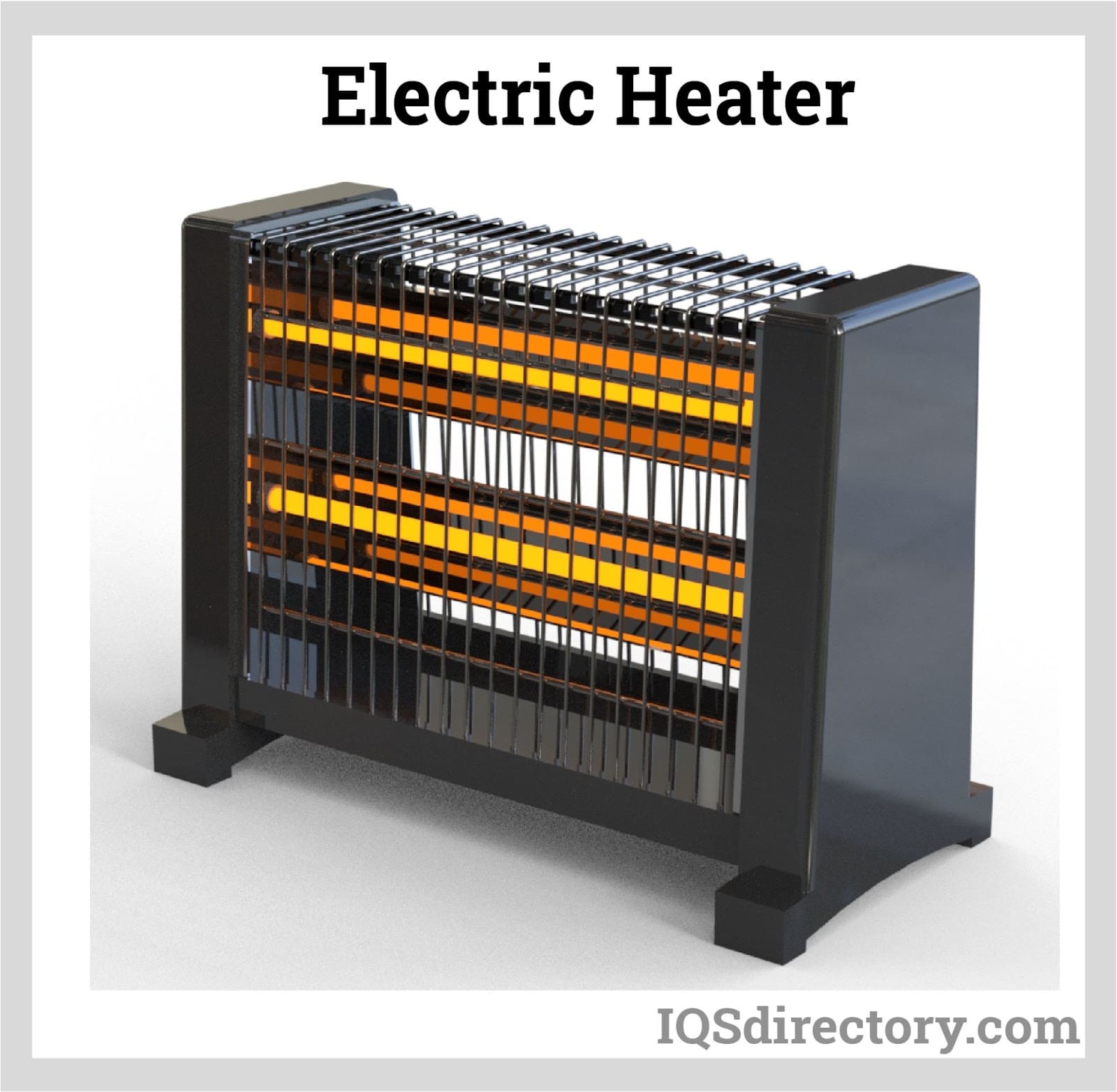
Radiant gas heaters have become a cornerstone in modern heating technology, renowned for their high energy efficiency, rapid heat delivery, and versatile application across residential, commercial, and industrial settings. Produced by a natural gas flame, these heaters emit infrared waves that generate radiant heat. Unlike conventional convection heaters, which rely on heating the air, infrared radiant heaters directly transfer energy to objects and surfaces, enabling faster and more focused heating. This innovative mechanism not only improves energy efficiency but also creates a more comfortable and uniform temperature profile in the target area.
How Do Radiant Gas Heaters Work?
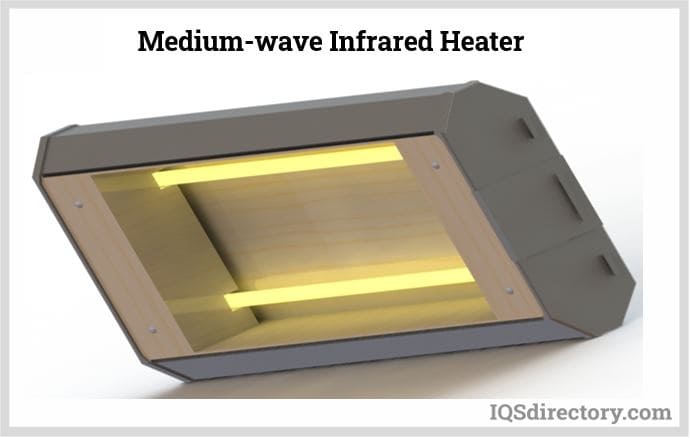
At the core of every radiant gas heater lies a heating element, which is typically housed within a radiating tube made from durable materials such as glass, ceramic, or metal. When the natural gas flame ignites, it heats the element, which then emits infrared electromagnetic radiation. This energy is absorbed by objects, people, and surfaces in its path—no intermediate medium or air molecules are needed for heat transfer.
This efficient process allows tube heaters and other radiant gas heater designs to outperform many traditional heating solutions. The presence of reflectors maximizes the effectiveness of the heater by focusing the radiant energy towards the intended area. In some advanced models, integrated fans and air movement systems help redistribute heated air molecules, ensuring even faster and more comprehensive heat coverage. Additional features may include:
- Temperature detectors for precision control
- Optional cooling modes for cryogenic or specialty use
- Weatherproof and corrosion-resistant construction for outdoor or harsh environments
- Remote or smart controls for optimized energy management
What Are the Key Benefits of Infrared Radiant Gas Heaters?
One of the most compelling advantages of radiant gas heaters is their immediate and targeted heat output. Unlike traditional forced-air systems, there is virtually no lag between activation and feeling the warmth. This makes them particularly well-suited for both localized spot heating and large-area coverage, from outdoor patios to expansive industrial facilities.
Some of the primary benefits of infrared gas heating solutions include:
- Energy efficiency: Infrared heaters convert nearly all of the gas energy they consume into usable heat, reducing energy waste and operating costs.
- Eco-friendly operation: Lower fuel consumption and reduced emissions make radiant gas heaters a "green" or environmentally sustainable option.
- Uniform heating patterns: Because infrared energy heats objects directly, temperature distribution is more even, minimizing cold spots and maximizing comfort.
- Enhanced safety: The overall surface temperature of the heating element is typically lower than in other systems, lowering the risk of fire or accidental burns.
- Low maintenance: With fewer moving parts and simple designs, many radiant gas heaters require minimal maintenance over their service life.
- Versatility: Suitable for a wide range of applications, from commercial warehouses to residential patios and specialized industrial processes.
Common Applications of Radiant Gas Heaters
Radiant gas heaters are utilized in a diverse array of environments and industrial processes. Their ability to deliver focused, efficient heat makes them ideal for:
- Commercial spaces such as restaurants, showrooms, garages, and public transit shelters where comfort and cost-efficiency are priorities
- Industrial facilities for processes including plastic welding, glass processing, curing, and drying coatings or adhesives
- Outdoor heating solutions for patios, terraces, stadiums, and event venues—where heating the air is inefficient due to constant airflow
- Residential applications such as sunrooms, workshops, and garages, providing spot heating or supplementing central HVAC systems
- Horticultural and agricultural uses where maintaining optimal temperatures is crucial for plant growth, livestock comfort, or drying crops
Are Radiant Gas Heaters Right for My Business or Facility?
When evaluating heating systems for your facility or business, consider asking:
- Do you need fast, targeted heat delivery for specific zones or workstations?
- Are you looking to reduce energy consumption and operational costs?
- Is maintaining air quality or minimizing air movement important for your process or environment?
- Do you require a solution that operates reliably in outdoor or semi-enclosed environments?
- Are green building standards or environmental certifications a priority for your organization?
If you answered "yes" to any of these questions, radiant gas heaters may be the ideal choice for your application. Their ability to efficiently deliver heat in challenging or large-scale environments often leads to superior comfort, productivity, and energy savings.
How to Choose the Right Infrared Radiant Gas Heater
Selecting the best infrared gas heater for your needs involves careful consideration of several key factors. Decision-makers and facility managers often research:
- Size of the area to be heated and the desired temperature rise
- Type of application: Is it for indoor, outdoor, commercial, industrial, or residential use?
- Fuel source availability: Natural gas vs. propane vs. electric infrared heaters
- Mounting options: Ceiling-mounted, wall-mounted, portable, or freestanding
- Control systems: Manual, programmable, or smart controls for automation and zoning
- Safety features: Overheat protection, tip-over switches, and flame monitoring
- Compliance: Does the unit meet local building codes and energy efficiency standards?
For tailored recommendations, many buyers consult with infrared heating element manufacturers or specialized distributors to ensure the chosen heater aligns with their unique operational requirements.
Comparing Radiant Gas Heaters to Other Heating Technologies
When it comes to industrial and commercial space heating, decision-makers often compare radiant gas heaters with other technologies such as electric infrared heaters, convection heaters, forced-air furnaces, and UV lamps. Here’s how radiant gas heaters stack up:
- Direct vs. indirect heating: Radiant heaters transfer energy directly to surfaces and people, while forced-air systems heat air, which can be less efficient in open or drafty spaces.
- Speed of heat delivery: Infrared radiant heat is felt almost immediately, whereas convection heaters can take longer to warm the environment.
- Energy consumption: Radiant gas heaters typically consume less energy for the same heating effect, thanks to minimal heat loss in transmission.
- Air quality: Radiant systems do not circulate dust or allergens, making them ideal for environments where air purity is a concern.
- Versatility: Available in a wide range of capacities and configurations, including tube heaters, panel heaters, and portable models.
Curious about the differences between gas and electric infrared heaters? Explore the advantages and disadvantages of each technology to determine the best fit for your application.
Installation and Maintenance Considerations
Proper installation is crucial for maximizing the performance, safety, and longevity of radiant gas heaters. Common installation considerations include:
- Site assessment: Determining the optimal placement for coverage and safety, taking into account clearances and ventilation
- Professional installation: Ensuring compliance with local codes and manufacturer guidelines
- Routine maintenance: Periodic inspections, cleaning of reflectors and burners, and checking gas connections for leaks or wear
- Upgrades and retrofits: Many older facilities can improve efficiency by upgrading to modern infrared gas heaters with advanced controls
If you’re considering a new heating system or upgrading an existing one, ask these questions:
- Is your facility ready for a radiant heating retrofit?
- What are the long-term maintenance costs and requirements?
- How can you maximize efficiency and safety with your current or planned installation?
Frequently Asked Questions About Radiant Gas Heaters
What is the difference between radiant and convection heating?
Radiant heaters emit energy that directly warms objects, surfaces, and people, while convection heaters warm the air, which then transfers heat to surrounding objects. This distinction makes radiant gas heaters highly efficient in spaces where air movement is high or targeted spot heating is needed.
Are radiant gas heaters safe for indoor use?
Yes, when installed and operated according to manufacturer recommendations and local safety codes, radiant gas heaters are a safe solution for many indoor environments. Safety features such as flame sensors, overheat protection, and proper ventilation are standard in quality models.
What is the typical lifespan of a radiant gas heater?
With proper maintenance and routine inspections, commercial and industrial radiant gas heaters can deliver reliable service for 10–20 years or more, depending on the model and usage conditions.
How much can I save on energy costs by switching to infrared gas heating?
Many organizations report energy savings of up to 30–50% after switching from conventional forced-air heating to modern radiant gas heaters, thanks to their direct delivery of heat and reduced energy waste.
Can radiant gas heaters be integrated into automated building management systems?
Yes, many advanced models feature programmable thermostats, digital controls, and smart integration capabilities that enable seamless operation within building automation systems.
Emerging Trends and Innovations in Infrared Gas Heating
The infrared heating industry continues to evolve, with new technologies and innovations enhancing performance, sustainability, and user experience. Some notable trends include:
- Smart controls and IoT integration for remote monitoring, zoning, and energy optimization
- Hybrid heating systems that combine infrared gas and electric elements for maximum flexibility
- Advanced reflector designs that improve heat distribution and minimize losses
- Eco-friendly manufacturing using recycled materials and low-emission production processes
- Customization for unique industrial processes, such as precision drying, curing, or material processing
Looking for the latest in energy-efficient heating? Contact a radiant gas heater manufacturer or consult with an industry expert to learn about new solutions tailored to your needs.
Conclusion: Why Choose Radiant Gas Heaters for Your Heating Needs?
Radiant gas heaters offer a powerful combination of energy efficiency, immediate and targeted heat, environmental sustainability, and versatility. Whether you’re outfitting a large industrial facility, a modern commercial space, or an outdoor entertainment area, infrared radiant gas heaters provide reliable and cost-effective heating solutions that outperform many traditional technologies.
Ready to upgrade your heating system or explore the best radiant gas heater for your application? Connect with leading infrared heating element manufacturers or explore our comprehensive tube heater directory to discover top-rated products and expert guidance for your project.
For further information, industry insights, or personalized assistance, reach out to our support team or browse our knowledge center for answers to common questions about infrared radiant gas heating systems, installation best practices, and maintenance tips.
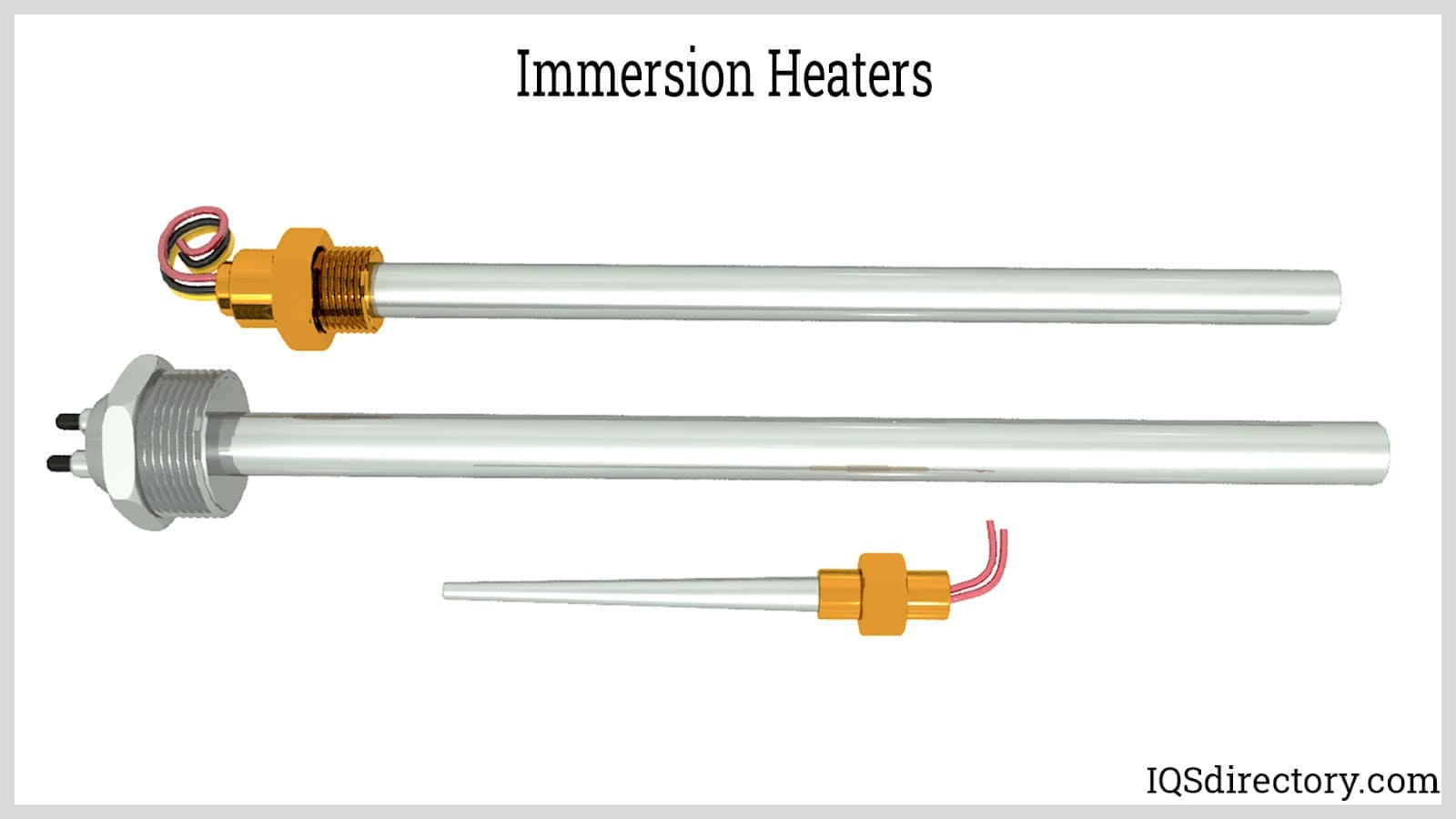
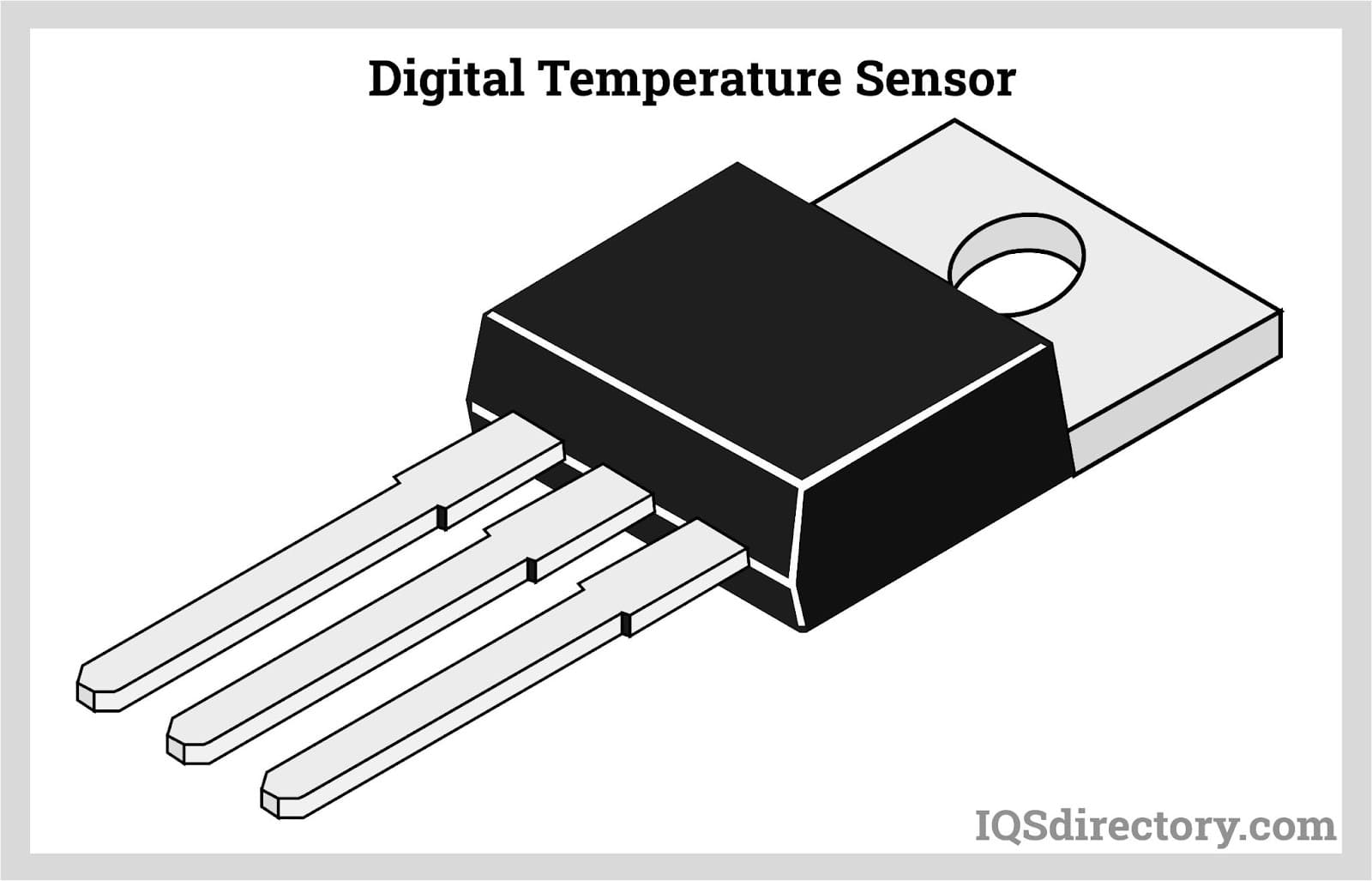
 Cartridge Heaters
 Electric Heaters
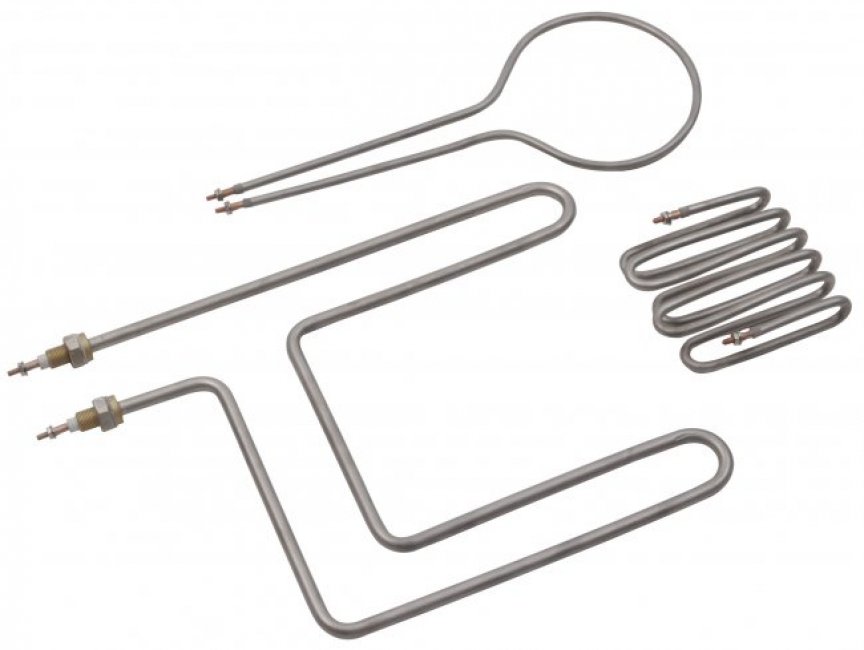 Heating Elements
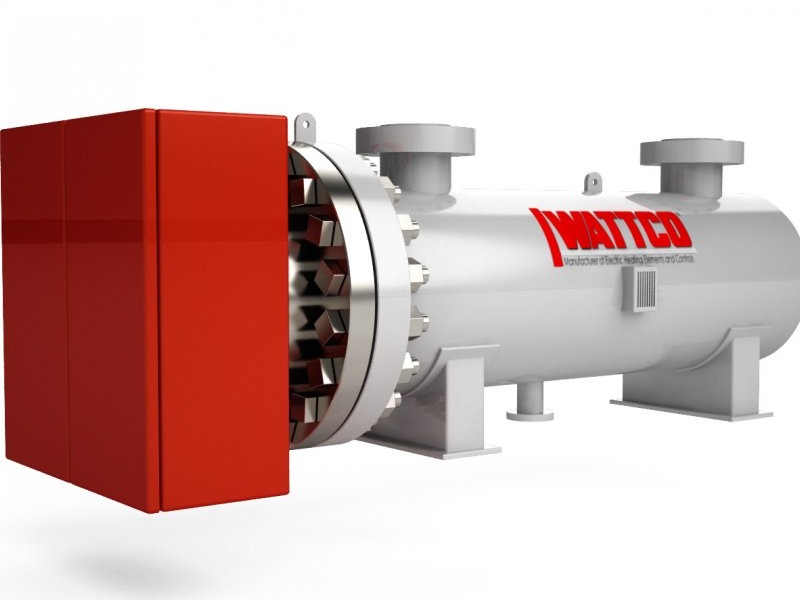 Immersion Heaters
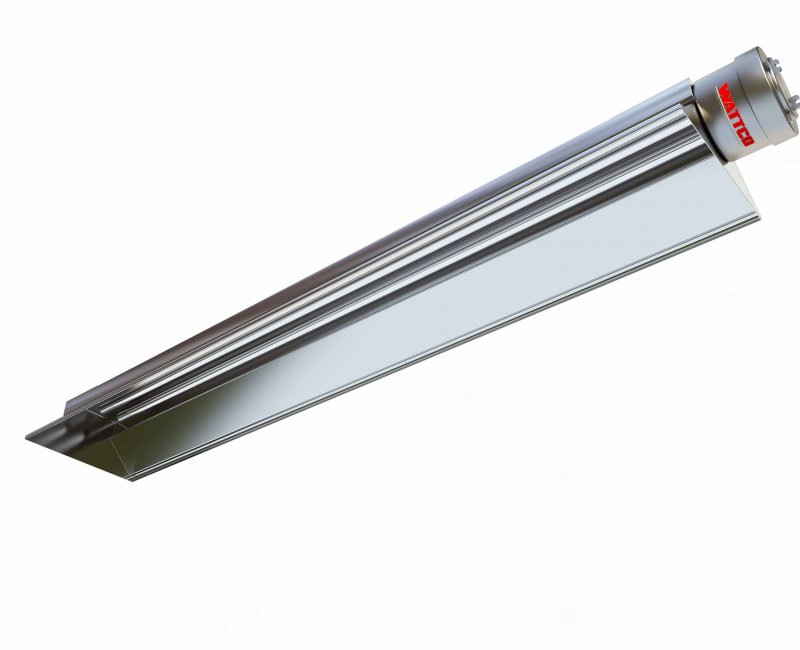 Infrared Heaters
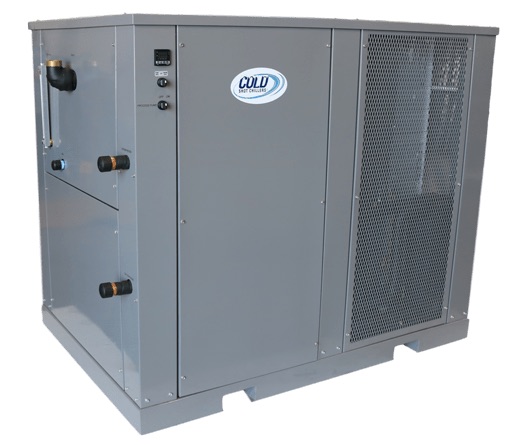 Air Conditioners
 Castings & Forgings
 Bulk Material Handling
 Electrical & Electronic Components
 Flow Instrumentation
 Hardware
 Material Handling Equipment
 Metal Cutting Services
 Metal Forming Services
 Metal Suppliers
 Motion Control Products
 Plant & Facility Equipment
 Plant & Facility Supplies
 Plastic Molding Processes
 Pumps & Valves
 Recycling Equipment
 Rubber Products & Services