Infrared heat waves are long electromagnetic waves located very near the visible part of the electromagnetic spectrum which give off a large amount of heat. Read More…
At Backer Hotwatt, Inc., we dedicate ourselves to designing and manufacturing precision heating solutions that meet the demanding requirements of our customers across diverse industries. We specialize in creating high-performance infrared heaters, engineering each product to deliver reliable, efficient, and targeted heat where it is needed most.
At Casso-Solar Technologies, we take pride in advancing the science of infrared heating through precision engineering and decades of innovation. We design and manufacture high-performance infrared heaters that serve a wide range of industrial and commercial applications, including drying, curing, heating, and processing systems.
At Infratech, we are pioneers in the design and manufacturing of premium infrared heating systems that bring comfort, efficiency, and performance to residential, commercial, and industrial environments. Our focus has always been on delivering precision-engineered solutions that harness the clean, radiant warmth of infrared energy to create comfortable and controlled climates without compromise.

At Marley Engineered Products, we take pride in designing and manufacturing high-performance heating and ventilation solutions that deliver lasting comfort and energy efficiency. Our expertise in infrared heating technology allows us to create systems that provide consistent, targeted warmth in a wide range of environments, from industrial facilities and commercial spaces to residential...




More Tube Heater Manufacturers
Comprehensive Guide to Electric Infrared Tube Heaters
Electric infrared tube heaters have become a leading solution for targeted, energy-efficient heating across a wide range of industrial, commercial, and residential environments. As businesses and homeowners increasingly seek cost-effective, environmentally friendly heating technologies, electric infrared heaters are emerging as top choices for their precision, versatility, and low operational costs. In this guide, we explore the core design, working principles, applications, benefits, and key decision factors associated with infrared tube heaters to help you make an informed purchase or specification decision.
What Is an Electric Infrared Tube Heater?
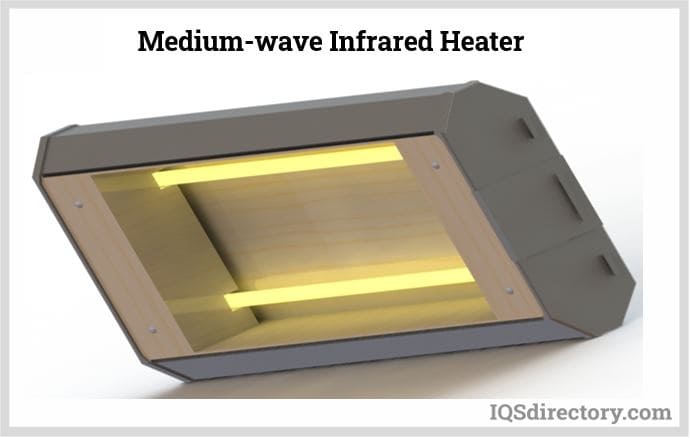
A typical electric infrared heater consists of several fundamental components:
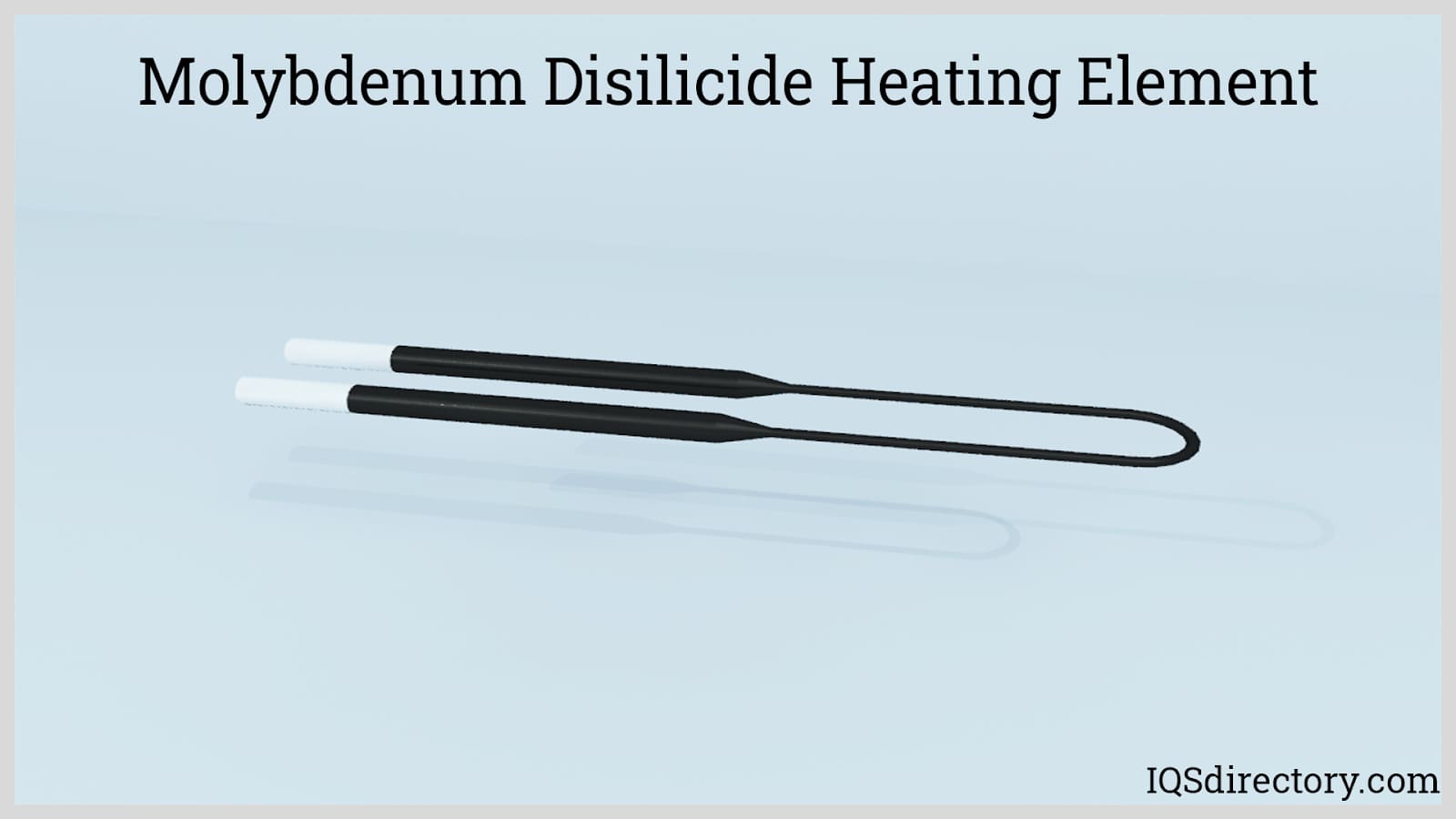
- Heating Element: The primary source of heat, often constructed from tungsten or specialty alloys, coiled to increase electrical resistance and produce radiant energy.
- Reflective Surface: Located behind the element, this surface maximizes heat direction and output by reflecting infrared radiation towards the target area.
- Protective Shield: A safety barrier that prevents accidental contact with the hot element and reduces the risk of burns or fire hazards.
- Quartz or Conductive Tube: In tube heater designs, the element is housed within a tube made from high thermal conductivity materials, such as quartz. This design intensifies and focuses the infrared output while enhancing durability and heat transfer efficiency.
The tube’s exterior is engineered to be highly radiant emissive, optimizing the conversion of electrical energy into usable infrared heat. The result is a heater capable of delivering rapid, uniform warmth wherever it’s needed most.
How Do Infrared Tube Heaters Work?
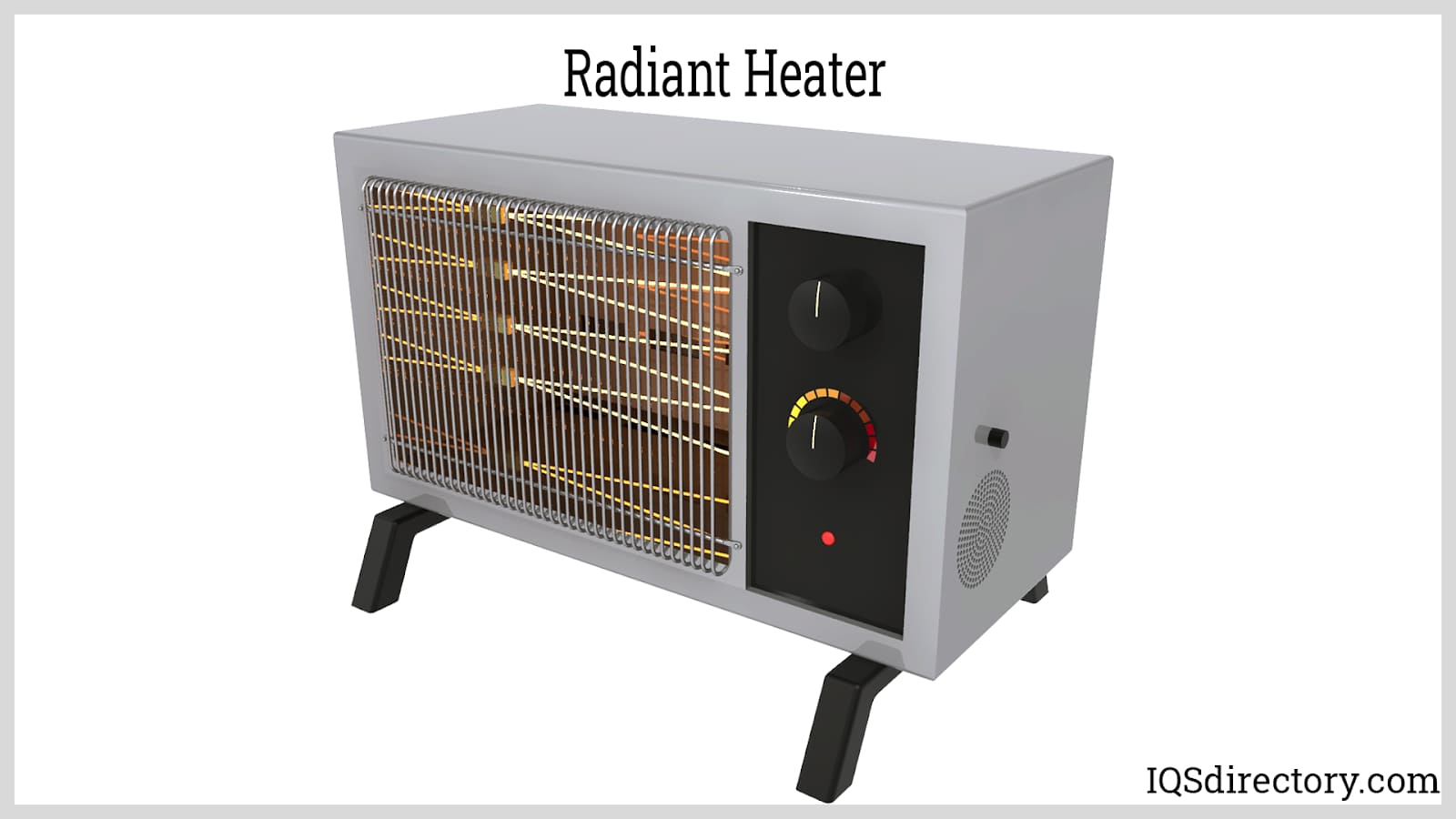
Infrared tube heaters utilize radiant heat transfer, a process by which electromagnetic waves (specifically infrared waves) convey energy directly to objects and surfaces. This mechanism is fundamentally different from convection heaters, which rely on heating the surrounding air. Because radiant heat does not require a medium like air molecules for transportation, it can penetrate materials and gases more efficiently than standard convective systems or even UV lamps.
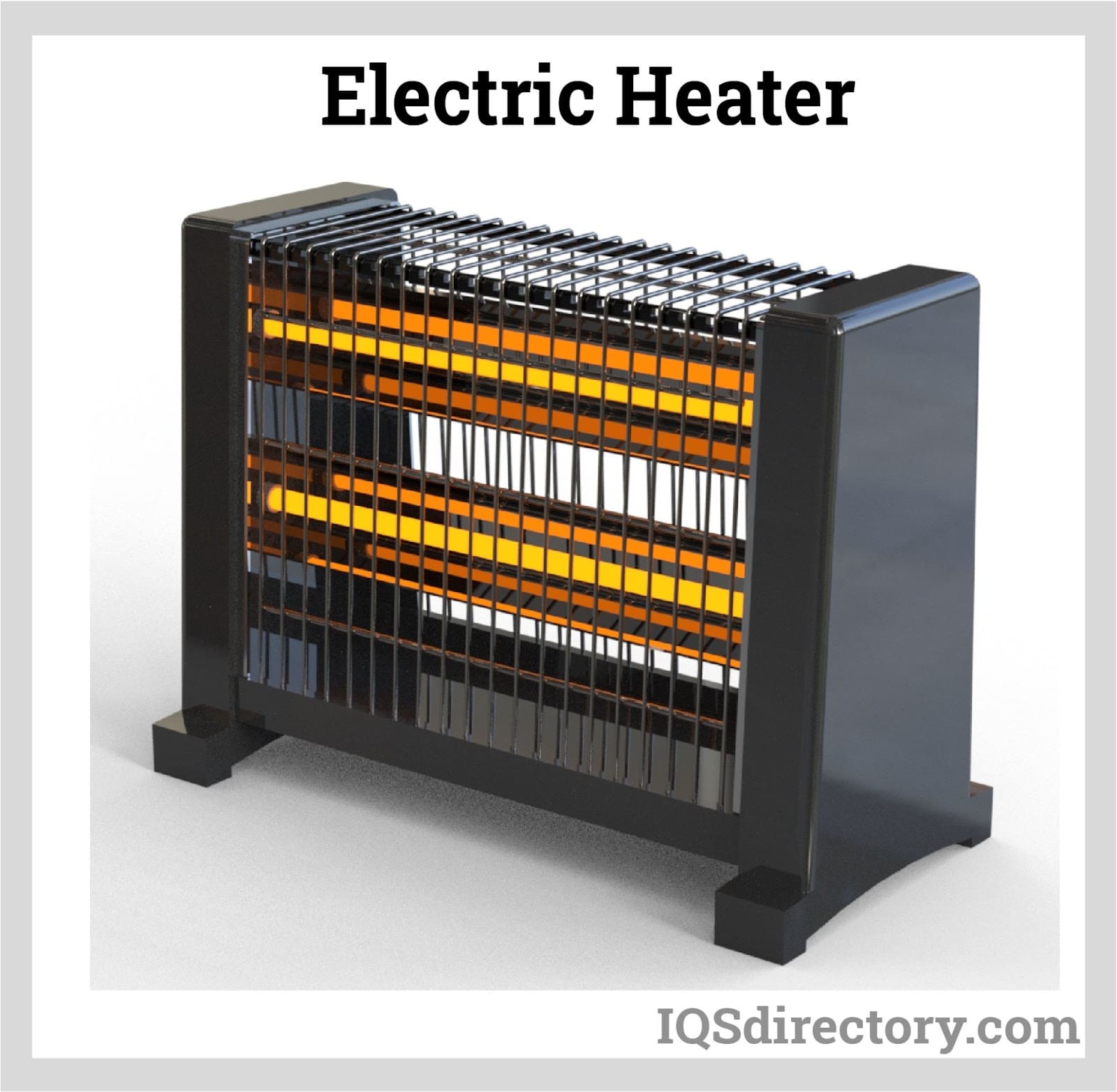
Electric tube heaters directly convert electrical energy into infrared radiation, whereas gas-fired radiant tube heaters generate infrared heat through the combustion of natural gas or propane. Both electric and gas models deliver uniform, targeted warmth, but each has distinct advantages depending on the application.
- Electric Infrared Tube Heaters: Ideal for indoor spaces, clean rooms, or environments where air quality and emission-free operation are critical.
- Gas Infrared Tube Heaters: Suited for large, well-ventilated industrial or commercial areas where fuel costs may be lower than electricity.
Additional features on modern tube heaters may include overheat protection, corrosion-resistant construction, advanced timing-temperature controls, and even integrated cooling options for specialized cryogenic processes.
Key Benefits of Infrared Tube Heaters
Why choose an infrared tube heater over other types of heating systems? Here are the top benefits that drive their popularity in both commercial and industrial heating solutions:
- Energy Efficiency: Infrared tube heaters deliver high conversion efficiency, minimizing wasted energy and reducing utility bills. They are often considered a "green" heating technology due to their ability to provide targeted warmth with minimal losses.
- Immediate Heat Output: Unlike convection heaters, which need time to warm the air, infrared systems provide virtually instant heat, improving comfort and productivity in workspaces or living areas.
- Uniform, Directional Heating: Because infrared heat is absorbed directly by objects and surfaces, users experience consistent, even heating without cold spots or drafts. This uniformity is especially valuable in large, open spaces and industrial facilities.
- Reduced Airborne Contaminants: Since tube heaters don’t rely on moving air, they help reduce the circulation of dust, allergens, or other airborne particles—supporting a healthier indoor environment.
- Low Maintenance: With fewer moving parts and robust, corrosion-resistant materials, electric infrared tube heaters typically require less maintenance than conventional HVAC systems.
- Eco-Friendly Operation: Electric models do not produce combustion byproducts, making them safe for indoor use and compliant with strict environmental and occupational health standards.
Common Applications and Use Cases
Infrared tube heaters are renowned for their versatility and are widely adopted across diverse industries and settings. Typical uses include:
- Commercial Space Heating: Efficiently heat warehouses, factories, workshops, airplane hangars, sports arenas, and retail stores where conventional forced-air systems may be impractical or inefficient.
- Industrial Process Heating: Support manufacturing operations such as plastic welding, curing of paints or coatings, drying textiles, and glass processing. Infrared tube heaters enable precise temperature control and accelerated processing times.
- Animal Care and Agriculture: Provide safe, comfortable warmth for livestock, poultry, zoos, and veterinary clinics. Infrared heating is commonly used for incubation and animal comfort, especially in neonatal or recovery environments.
- Medical and Therapeutic Applications: Used in physiotherapy clinics and wellness centers to ease arthritic pain, improve circulation, and support rehabilitation through gentle, non-contact heat therapy.
- Residential and Outdoor Heating: Deliver instant warmth to patios, garages, workshops, and sunrooms, extending the usability of outdoor and underheated indoor spaces.
- Specialty Heating: Integration in cryogenic cooling systems or for freeze protection in critical infrastructure, thanks to advanced timing and temperature controls.
Are you considering upgrading your commercial or industrial heating system?
Explore our detailed guide to electric infrared heaters to compare models, features, and manufacturer options tailored to your environment.
Electric Infrared Tube Heaters versus Other Heating Options
When evaluating heating systems, it’s essential to weigh the comparative advantages of infrared tube heaters against alternative technologies:
- Infrared vs. Convection Heaters: Convection heaters warm the air, which then circulates throughout the space, often resulting in energy losses and uneven temperature distribution. Infrared tube heaters, in contrast, provide direct, efficient warmth exactly where it’s needed.
- Infrared vs. UV Lamps: While UV lamps can heat objects through light waves, they are less efficient and may not penetrate surfaces as effectively as infrared radiation. Additionally, UV lamps are not suitable for general heating applications due to safety concerns and limited efficacy.
- Infrared vs. Radiant Gas Heaters: Electric tube heaters offer cleaner operation and are ideal for indoor use where air quality and emissions are concerns. Gas radiant tube heaters, while powerful, must be properly vented and are best suited for large, open, or outdoor spaces.
Searching for the best heating option for your facility?
Learn more about infrared heater manufacturers and how to select the right technology for your specific needs.
How to Choose the Right Infrared Tube Heater
Selecting the optimal infrared tube heater involves several key considerations that affect performance, safety, and long-term value:
- Power and Coverage Area: Calculate the size of the space to be heated and choose a model with appropriate wattage/output. Manufacturers typically provide guidelines for square footage coverage.
- Mounting and Installation: Consider ceiling or wall-mounted options based on your facility layout. Ensure sufficient clearance from combustible materials and follow all manufacturer installation guidelines for safety and efficiency.
- Control Systems: Look for advanced thermostatic or programmable controls to fine-tune heating cycles, reduce energy consumption, and automate operation based on occupancy or time-of-day.
- Construction Materials: Opt for units with corrosion-resistant housings and durable quartz or ceramic tubes, especially in humid or chemically aggressive environments.
- Safety Features: Overheat protection, tip-over shutoff, and protective shielding are critical for preventing accidents and ensuring compliance with local codes and regulations.
- Certifications and Compliance: Verify that the heater meets industry safety and efficiency certifications such as UL, ETL, or CE. Compliance is especially important in regulated industries and public facilities.
Not sure which model meets your requirements?
Contact our experts or browse our electric infrared heater selection guide to compare specifications and get personalized recommendations.
Installation and Maintenance Best Practices
Proper installation and maintenance are crucial for maximizing the performance, safety, and lifespan of your infrared tube heater:
- Professional Installation: Although some electric tube heaters are designed for straightforward mounting, professional installation ensures optimal positioning, secure wiring, and adherence to safety standards.
- Regular Inspection: Periodically inspect the heater for signs of wear, corrosion, or damage to the tube, wiring, or mounting hardware. Early detection of issues can prevent costly repairs and downtime.
- Cleaning: Dust and debris can accumulate on reflectors and quartz tubes, reducing efficiency. Clean surfaces regularly with manufacturer-approved materials to maintain peak performance.
- Functional Testing: Test control panels, thermostats, and safety features as part of routine maintenance to ensure reliable operation and quick response in emergencies.
- Record Keeping: Maintain logs of maintenance activities, repairs, and upgrades to support warranty claims and facilitate long-term asset management.
Need installation tips or troubleshooting assistance?
Visit our installation and maintenance resource for step-by-step guides and expert support.
Frequently Asked Questions about Infrared Tube Heaters
- How energy efficient are electric infrared tube heaters?
Most models convert over 90% of input energy into usable heat, making them among the most efficient heating technologies available for industrial and commercial spaces. - Are infrared tube heaters safe for continuous operation?
When installed and maintained according to guidelines, these heaters are engineered for safe, long-term operation with built-in safety features like thermal cutoffs and protective shields. - Can infrared tube heaters be used outdoors?
Yes, many models are rated for outdoor or semi-outdoor use, such as patios, loading docks, or warehouses with open bays. Ensure the selected unit is weatherproof and suitable for your climate. - What are the main differences between quartz and ceramic tube heaters?
Quartz tube heaters typically provide faster heat-up times and higher radiant output; ceramic tubes offer enhanced durability and are preferred in corrosive or high-humidity environments. - Do infrared tube heaters require ventilation?
Electric models do not require special ventilation since they produce no combustion byproducts. However, gas-fired tube heaters must be properly vented to the outdoors to ensure safe operation. - How do I size an infrared tube heater for my space?
Sizing depends on room dimensions, insulation quality, ceiling height, and intended use. Consult manufacturer guidelines or use online sizing calculators for precise recommendations.
Advantages of Infrared Heating for Modern Facilities
As organizations strive to improve energy efficiency and indoor comfort, infrared heating systems offer a compelling solution. Their ability to deliver zoned, controllable warmth reduces energy waste and supports sustainable building initiatives. Additionally, the low-maintenance design and absence of forced-air movement make them ideal for environments with sensitive equipment, strict cleanliness requirements, or high occupancy rates.
Are you evaluating heating system upgrades for your facility, warehouse, or production line? Understanding the full spectrum of infrared heating advantages can help you make a data-driven investment that delivers lower costs, improved productivity, and superior comfort for years to come.
Summary: Why Choose an Electric Infrared Tube Heater?
Electric infrared tube heaters provide a powerful combination of efficiency, safety, and adaptability that meets the demands of today’s dynamic environments. Whether you’re heating a sprawling warehouse, a sensitive manufacturing process, or an outdoor seating area, these systems deliver reliable performance, minimal operating costs, and the flexibility to scale as your needs evolve.
- High energy savings and reduced carbon footprint
- Instant, uniform heating with no waiting or warm-up time
- Versatile applications across commercial, industrial, agricultural, and residential sectors
- Cleaner indoor air and healthier environments
- Low maintenance and long operational lifespan
- Comprehensive safety features and regulatory compliance
Ready to discover the right infrared tube heater for your application?
Browse our directory of infrared heater manufacturers or request a quote to get started with expert guidance.
Further Resources and Next Steps
For more information on selecting, installing, and optimizing your heating system, check out our in-depth articles and specification sheets:
- Electric Infrared Heater Selection Guide
- Infrared Heater Manufacturers Directory
- Installation and Maintenance Tips
- Infrared Heating Applications
Still have questions about the best heating solutions for your facility or project? Connect with our experts for personalized support, product comparisons, and up-to-date insights on the latest advances in electric infrared heating technology.
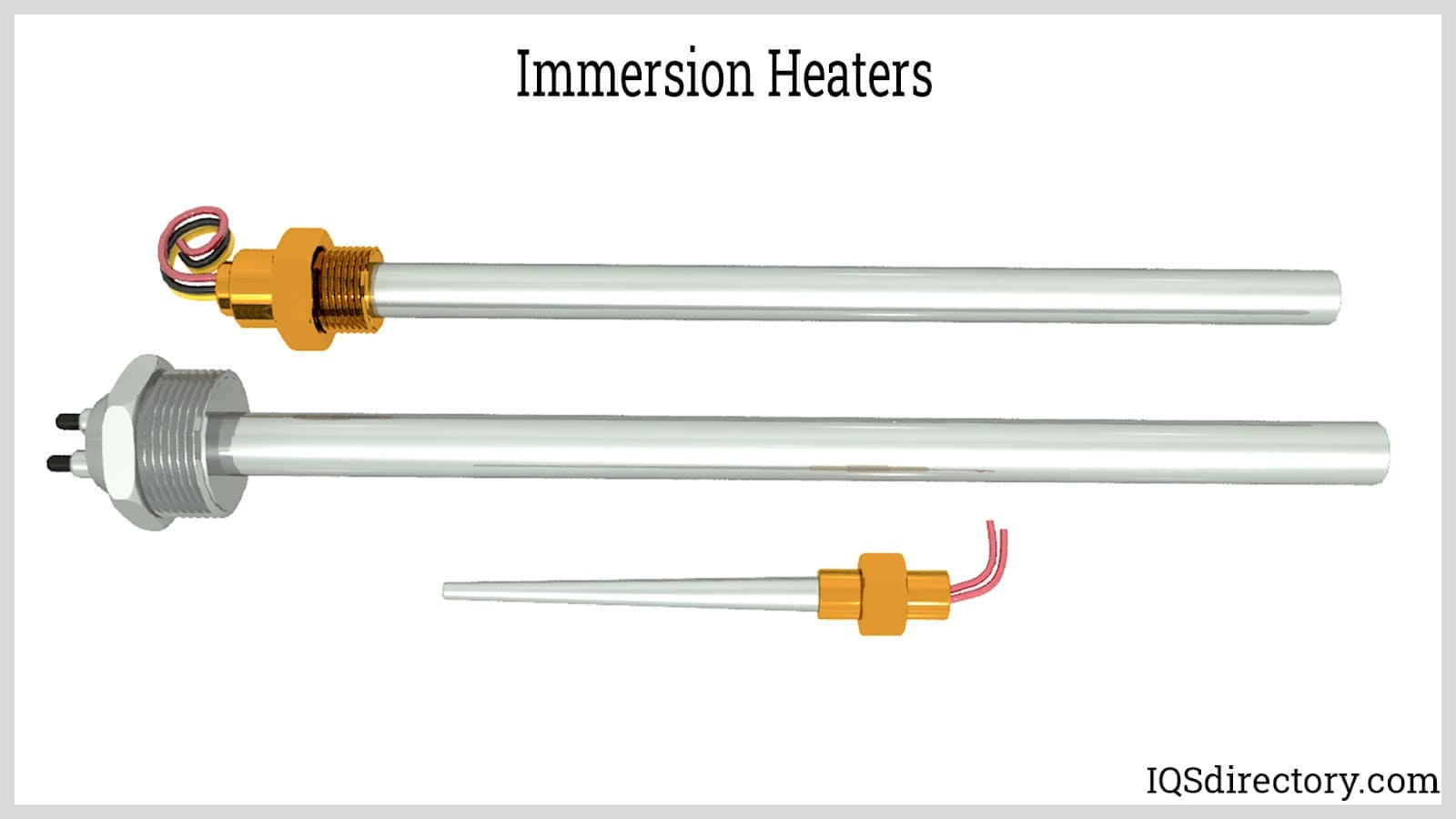
 Cartridge Heaters
 Electric Heaters
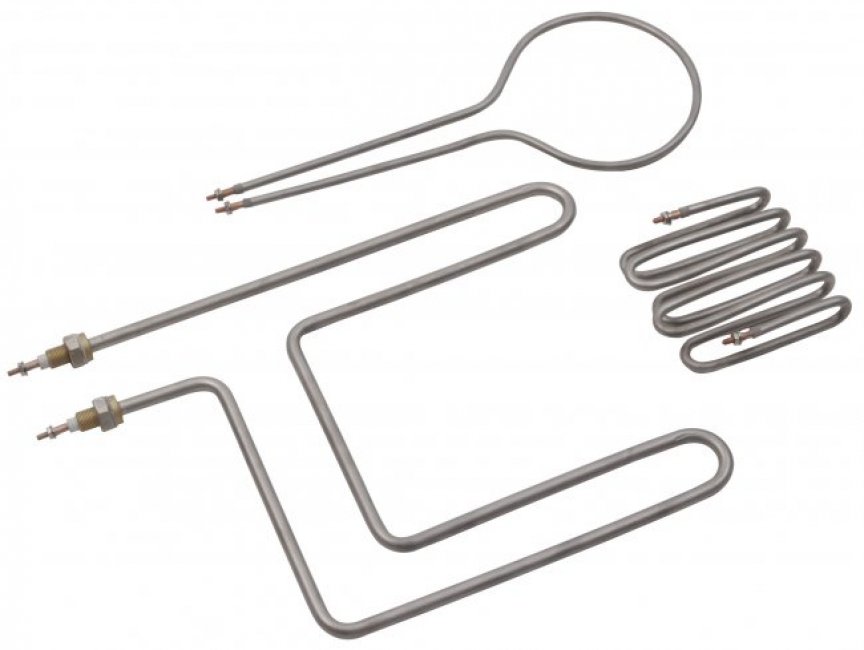 Heating Elements
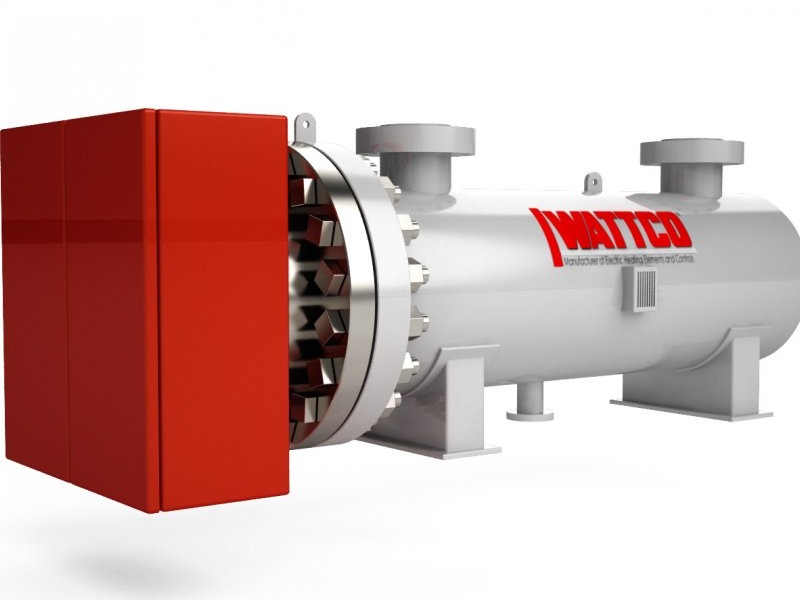 Immersion Heaters
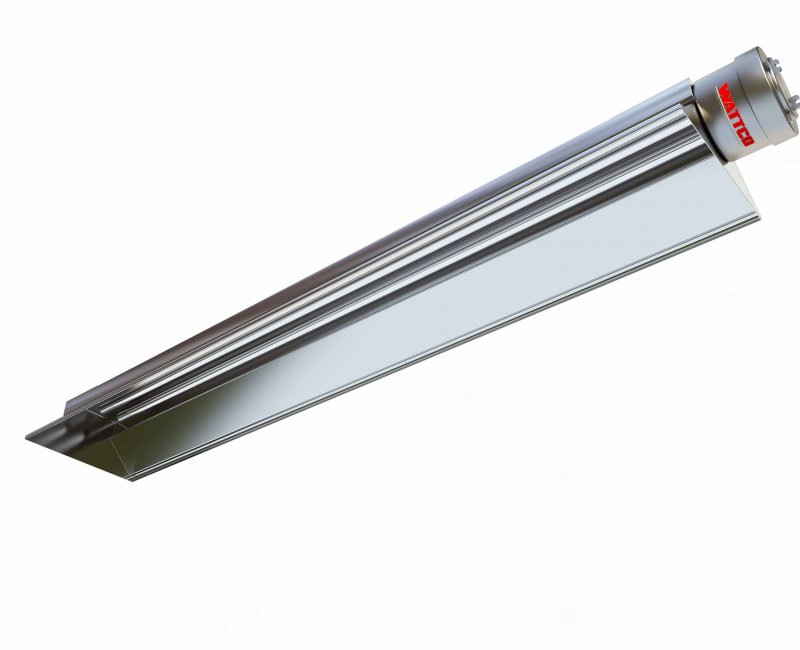 Infrared Heaters
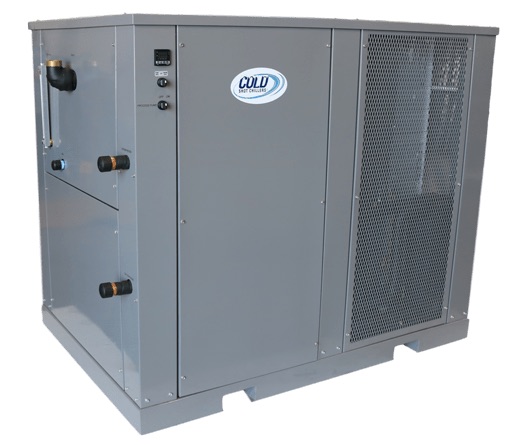 Air Conditioners
 Castings & Forgings
 Bulk Material Handling
 Electrical & Electronic Components
 Flow Instrumentation
 Hardware
 Material Handling Equipment
 Metal Cutting Services
 Metal Forming Services
 Metal Suppliers
 Motion Control Products
 Plant & Facility Equipment
 Plant & Facility Supplies
 Plastic Molding Processes
 Pumps & Valves
 Recycling Equipment
 Rubber Products & Services